
Elamite Influence on Early Achaemenid Administration and Culture under Cyrus

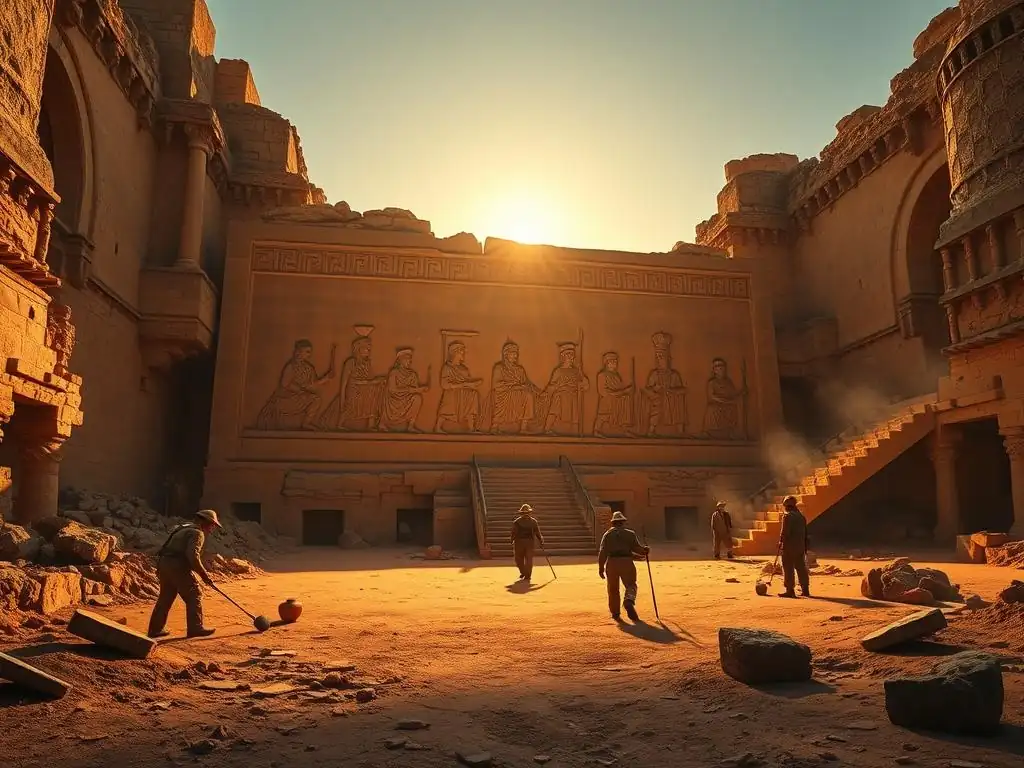
Welcome to ArchaeologyHub.org, your portal to the past! Ever wondered how the mighty Achaemenid Empire, under Cyrus the Great, established its administrative foundation? Delve into the fascinating interplay between Elamite administration and Achaemenid culture in our detailed exploration of "Elamite Influence on Early Achaemenid Administration and Culture under Cyrus." Uncover the surprising connections and lasting impact that shaped a civilization. Intrigued? Read on to discover the secrets buried beneath the sands of time…
- Introduction: The Elamite Legacy and the Rise of Cyrus
- Elamite Administrative Practices Adopted by Cyrus
- Cultural Exchange: Elamite Influence on Achaemenid Art and Architecture
- Religious Syncretism: Elamite Deities in the Achaemenid Pantheon
- Case Studies: Examples of Elamite-Achaemenid Interaction under Cyrus
- The Long-Term Impact of Elamite Influence
- Conclusion: Cyrus, Elam, and the Foundation of the Achaemenid Empire
- Further Reading on Elam and the Achaemenids
-
Frequently Asked Questions
- How did the Elamite administration system influence the early Achaemenid Empire?
- What aspects of Elamite culture were absorbed into Achaemenid culture under Cyrus's rule?
- Where did the Achaemenids get the scribal techniques used in their administration?
- What evidence suggests that Cyrus the Great actively incorporated Elamite elements into his empire?
- Why was adopting Elamite administrative practices beneficial for the early Achaemenid Empire?
- Final Reflection: Echoes of Elam in Persian Grandeur
- Unearth Your Own Ancient Discoveries!
Introduction: The Elamite Legacy and the Rise of Cyrus
Setting the Stage: Elam Before the Achaemenids
Before the rise of the Achaemenid Empire under Cyrus the Great, the ancient land of Elam, centered in modern-day southwestern Iran, boasted a civilization with a history stretching back millennia, predating the Achaemenids by over 2,000 years. Its capital, Susa, was a vibrant urban center with a rich cultural heritage and a sophisticated administrative system.
Elamite culture was characterized by its unique cuneiform script (Elamite cuneiform), distinctive artistic traditions, and complex bureaucratic structures that managed resources, labor, and tribute across its various territories. Elam was not a simple tribal confederation but a long-standing state with established practices for governance, economic management, and religious life, having engaged in centuries of interaction, both peaceful and confrontational, with Mesopotamian powers like Sumer, Akkad, and Assyria.
This deep-rooted civilization had developed highly effective methods for record-keeping, taxation, and resource distribution, which were essential for maintaining a complex society. Their administrative documents, often inscribed on clay tablets, demonstrate a meticulous approach to logistics and control. The Elamite legacy provided a ready-made blueprint for large-scale governance, offering a practical model for any rising power that sought to integrate the region. This advanced state of Elamite administration and culture positioned it as a significant influence on any subsequent empire that would incorporate its territories and people.
Cyrus the Great and the Incorporation of Elam
Cyrus the Great, the founder of the Achaemenid Empire, strategically incorporated Elam into his burgeoning realm around 540 BCE, following his conquest of Media and Lydia. Unlike some of his more destructive campaigns, the integration of Elam, particularly its capital Susa, appears to have been relatively smooth, suggesting a policy of continuity rather than radical upheaval. Cyrus recognized the immense value of Elam's long-established administrative infrastructure and its skilled populace. Rather than imposing an entirely new system, he wisely chose to leverage the existing Elamite expertise and structures.
This pragmatic approach allowed the early Achaemenid state to rapidly consolidate its control over a vast and diverse territory. Susa quickly transformed into a vital administrative capital of the Achaemenid Empire, alongside Pasargadae and Ecbatana, serving as a key node for communication, trade, and governance. The incorporation of Elam meant that the Achaemenids inherited not just land and resources, but also a sophisticated model of Elamite administration and a vibrant Elamite culture that would profoundly shape the nascent Persian imperial identity.
Elamite Administrative Practices Adopted by Cyrus
The Elamite Chancellery: A Model for Achaemenid Governance
The Elamite chancellery, a highly organized bureaucratic institution, served as a fundamental model for early Achaemenid governance. This complex system was responsible for managing the state's vast resources, overseeing labor forces, and maintaining intricate financial records. When Cyrus incorporated Elam, he did not dismantle this efficient machinery; instead, he integrated and adapted it into his own burgeoning imperial administration. This continuity is evidenced by the sheer volume of Elamite administrative tablets discovered at Persepolis, dating to the reign of Darius I but reflecting practices surely inherited from Cyrus's time.
The Achaemenids, particularly under Cyrus and later Darius I, directly employed Elamite scribes and administrative personnel within their court and regional administrations. These individuals brought with them a deep understanding of complex logistical operations, resource allocation, and personnel management, which were crucial for governing an empire of unprecedented scale. The Elamite system provided a ready-made, proven framework for the nascent Achaemenid Empire, allowing for rapid and effective consolidation of power and resources, significantly influencing the emerging Achaemenid culture of governance.
Elamite Scribes and the Development of Achaemenid Record-Keeping
Elamite scribes were indispensable to the early Achaemenid Empire, serving as the backbone of its record-keeping apparatus. Their expertise in Elamite cuneiform was crucial for documenting the empire's economic activities, logistical movements, and administrative directives. While Old Persian cuneiform was developed for monumental royal inscriptions, Elamite cuneiform remained the primary script for daily administrative tasks throughout much of the empire's early history, especially within the heartland of Persia.
The efficiency of the Elamite scribal tradition, which had centuries of experience in managing large-scale operations, significantly influenced the development of Achaemenid record-keeping. The Persepolis Fortification Archive, for instance, contains tens of thousands of tablets predominantly in Elamite, detailing the movement of goods, payment of rations, and management of labor crews across the empire, particularly for royal projects. This vast administrative archive stands as testament to the direct and profound contribution of Elamite scribes and their established methods to the core functions of Achaemenid administration and its emergent bureaucratic culture.
Taxation and Resource Management: Elamite Systems in the Achaemenid Empire
The sophisticated Elamite systems of taxation, tribute collection, and resource management were largely adopted and refined by the Achaemenid Empire. Elam had long perfected methods for extracting and distributing agricultural produce, livestock, and raw materials, as well as managing labor for public works. These established practices provided a critical foundation for the Achaemenid state to organize its own vast economic machinery. Cyrus and his successors did not have to invent these systems from scratch but could build upon the existing, proven Elamite framework.
The Persepolis Fortification Archive offers detailed insights into how these Elamite-influenced systems operated under Achaemenid rule. Tablets meticulously record the collection of wine, grain, and other foodstuffs, their distribution as rations to workers and officials, and the oversight of animal herds.
For example, specific tablets detail the issuance of rations to thousands of workers involved in construction projects, reflecting a direct continuity of the Elamite administrative principles for provisioning and accounting. This integration of Elamite taxation and resource management practices was vital for the effective functioning and economic stability of the early Achaemenid Empire, directly shaping Achaemenid culture in its economic aspects.
Cultural Exchange: Elamite Influence on Achaemenid Art and Architecture
Architectural Echoes: Elamite Motifs in Early Achaemenid Palaces
The architectural traditions of Elam, particularly those evident at Susa, left an indelible mark on the design and construction of early Achaemenid palaces, especially under Cyrus at Pasargadae. While Achaemenid architecture developed its own distinct imperial style, it frequently incorporated and synthesized elements from the diverse cultures it encompassed, with Elamite influences being particularly prominent. For instance, the use of monumental terracing, a feature seen in Elamite ziggurats and temple platforms, finds parallels in the elevated palace structures at Pasargadae.
Furthermore, specific decorative techniques and motifs originating in Elamite art can be observed in early Persian constructions. While the famous glazed brick panels of Susa (dating primarily to Darius I's reign) show a later and more developed synthesis, the underlying artistic vocabulary and the emphasis on certain animal forms or mythological creatures have roots in older Elamite traditions. The early Achaemenid architects, many of whom may have been Elamite or trained in Elamite workshops, adapted these elements, blending them with Mesopotamian, Egyptian, and emerging Persian styles to create the unique visual identity of the Achaemenid Empire.
Royal Art and Iconography: The Transmission of Elamite Symbols
Elamite artistic conventions and symbols were significantly integrated into early Achaemenid royal art and iconography, contributing to the distinctive visual language of the empire. Rather than simple imitation, the Achaemenids engaged in a sophisticated process of assimilation and reinterpretation. For example, the depiction of certain animal forms, mythological creatures, or even specific elements of royal attire often reveal connections to older Elamite precedents. The famous winged genius figure at Gate R in Pasargadae, while incorporating Egyptian headdress elements, displays a composite nature and a certain artistic fluidity that resonates with the cosmopolitan influences prevalent in Elamite art.
This blending is not merely superficial; it reflects a deeper cultural exchange. The Achaemenid kings, including Cyrus, sought to legitimize their rule and project their power through a visual language that was both universal and specific to their newly formed empire. By incorporating recognizable symbols and artistic styles from established civilizations like Elam, they signaled continuity and authority. The resulting Achaemenid art, therefore, is a rich tapestry where Elamite artistic traditions form a significant thread, contributing to the unique royal aesthetic and influencing the broader Achaemenid culture.
Language and Literature: The Role of Elamite in the Achaemenid Court
The role of the Elamite language in the Achaemenid court was profoundly significant, particularly in the early phases of the empire. While Old Persian cuneiform was developed for monumental royal inscriptions, Elamite served as one of the three official administrative languages of the empire, alongside Babylonian and, increasingly, Aramaic. Its prominence is underscored by the fact that many of the earliest and most extensive administrative records, such as the Persepolis Fortification Archive, are predominantly written in Elamite. This indicates its vital role as the lingua franca of bureaucracy and daily governance.
The continued use of Elamite in official imperial documents, decades after the conquest of Elam, highlights the enduring influence of Elamite administrative practices and the presence of a large, skilled body of Elamite scribes. Trilingual inscriptions of Achaemenid kings, notably the Behistun Inscription of Darius I, often feature Elamite prominently, sometimes even preceding the Old Persian version in terms of layout. This demonstrates the language's continued importance for communication within the vast empire and its integral place in the Elamite administration Achaemenid culture interaction, solidifying its status as a core component of early imperial communication.
Religious Syncretism: Elamite Deities in the Achaemenid Pantheon
The Integration of Elamite Religious Beliefs
The Achaemenid Empire, particularly under Cyrus the Great, was known for its relatively tolerant religious policies, a characteristic that facilitated the integration of diverse local cults and beliefs into the broader imperial system. This tolerance extended to the long-standing religious traditions of Elam. Rather than suppressing Elamite deities or cults, the Achaemenids often allowed their continued veneration, recognizing that respecting local religious practices contributed to imperial stability and loyalty. This pragmatic approach meant that Elamite religious beliefs, which had developed over millennia, continued to thrive within their native regions under Achaemenid suzerainty.
Evidence from the Persepolis administrative tablets confirms this policy of integration. These documents, dating to the reign of Darius I but reflecting established practices, record payments and offerings made by the central administration to various Elamite priests and cults. This demonstrates that Elamite religious institutions were not only tolerated but were actively supported and provisioned by the Achaemenid state, indicating a deliberate policy to incorporate these religious structures into the empire's administrative and cultural fabric.
Napirisha and Its Influence on Achaemenid Religious Practices
Among the prominent Elamite deities, gods like Humban, Inshushinak, and particularly Napirisha, the great god of Anshan, continued to be revered under Achaemenid rule. While the Achaemenids primarily adhered to Zoroastrianism or a form of Mazdaism, they did not impose their beliefs on conquered peoples. Instead, local cults, including those dedicated to Elamite gods, were permitted to function, and their priests received support from the royal treasury. The Persepolis Fortification Archive provides concrete data on this religious provisioning.
For instance, tablets detail the allocation of grain, wine, and other goods for offerings to Elamite deities and for the sustenance of their priests. These records show that a significant portion of state resources was directed towards maintaining these religious practices. While direct "influence" on Achaemenid religious practices in terms of theological adoption is less clear, the administrative integration of Elamite cults into the imperial system demonstrates a profound respect for, and practical engagement with, Elamite religious life. This highlights how Elamite administration and culture, even in its spiritual aspects, became intertwined with the foundations of Achaemenid governance.
Case Studies: Examples of Elamite-Achaemenid Interaction under Cyrus
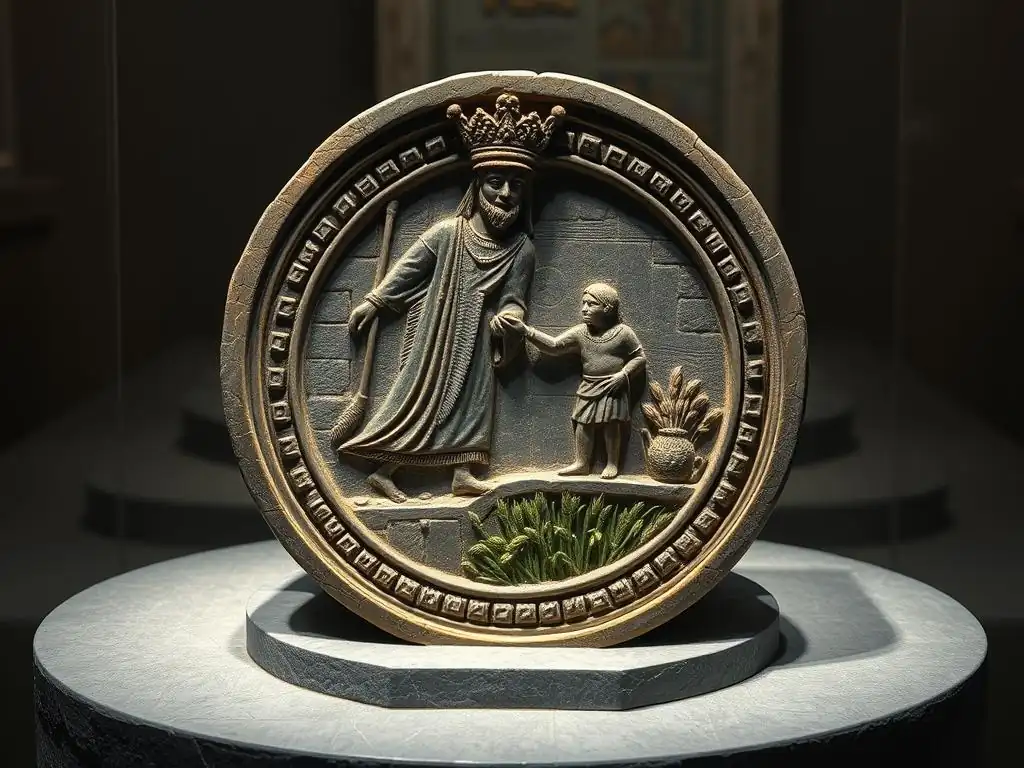
The Persepolis Fortification Archive: Elamite Administrative Continuity
The Persepolis Fortification Archive (PFA) stands as the most compelling evidence of Elamite administrative continuity and its profound impact on early Achaemenid governance. Discovered in the 1930s, this vast collection comprises over 30,000 clay tablets, with approximately 20,000 readable texts, overwhelmingly written in Elamite cuneiform. While the archive primarily covers the period from 509 to 494 BCE, during the reign of Darius I, the administrative practices detailed within them clearly reflect a long-standing system that would have been inherited and adapted from the Elamite tradition under Cyrus.
These tablets meticulously document the daily economic and administrative activities of the empire's heartland. They record the movement of goods such as wine, grain, and livestock, the allocation of rations to thousands of workers (including foreign laborers), travel authorizations for officials, and detailed accounts of religious offerings to various deities, including Elamite gods. The existence of such a sophisticated and widespread system, managed predominantly in Elamite, underscores the vital role of Elamite administrative expertise in shaping the Achaemenid Empire's infrastructure and its approach to resource management, demonstrating the deep intertwining of Elamite administration and Achaemenid culture.
The Reliefs at Pasargadae: Blending of Elamite and Persian Styles
The reliefs and architectural elements at Pasargadae, Cyrus the Great's capital, offer tangible proof of the deliberate blending of diverse artistic traditions, with Elamite styles playing a significant role. Cyrus’s architects and artists synthesized elements from various conquered cultures—including Babylonian, Assyrian, Egyptian, and crucially, Elamite—to forge a new, distinct Achaemenid imperial aesthetic. This syncretism is evident in the design of palaces, gardens, and monumental gateways.
A prime example is the famous winged genius figure at Gate R in Pasargadae. While the figure wears an Egyptian crown, its four wings and overall composite nature echo older Mesopotamian and Elamite iconography.
The figure's posture and certain details, though subject to scholarly debate, show a clear departure from purely Persian or Median art, suggesting the influence of the established artistic conventions of the Near East, including those from Elam. This blending at Pasargadae illustrates Cyrus's policy of integrating the best aspects of conquered civilizations, allowing Elamite artistic traditions to contribute significantly to the visual identity of the nascent Achaemenid Empire, thereby shaping Achaemenid culture from its very foundation.
The Long-Term Impact of Elamite Influence
The Evolution of Achaemenid Administration After Cyrus
The foundational Elamite administrative practices adopted under Cyrus continued to evolve and shape the Achaemenid Empire for decades, particularly under Darius I and his successors. The empire's sophisticated satrapy system, while a Persian innovation in its final form, built upon existing regional administrative divisions, many of which had Elamite precedents or were managed by personnel trained in Elamite methods. The continuity provided by the Elamite administrative backbone allowed the Achaemenids to manage their vast territories effectively, from taxation to military logistics.
The use of Elamite as the primary administrative language persisted well into the Achaemenid period, only gradually being supplemented and eventually superseded by Aramaic as the empire's lingua franca. Even then, the underlying bureaucratic structures, the meticulous approach to record-keeping, and the methods of resource allocation maintained a clear lineage to the Elamite systems. This enduring influence highlights that the Elamite administrative framework was not merely a temporary convenience but an integral component that allowed the Achaemenid Empire to achieve its unprecedented scale and organizational efficiency.
The Enduring Legacy of Elamite Culture in Persia
The enduring legacy of Elamite culture in Persia is profound and multifaceted, extending beyond mere administrative practices to permeate various aspects of Achaemenid identity. Elam was not simply conquered; its sophisticated civilization was integrated, leading to a rich cultural synthesis that defined the early Achaemenid Empire. From the artistic motifs found in monumental architecture to the very language of imperial administration, Elamite elements became an intrinsic part of the emerging Achaemenid culture.
The Achaemenid Empire, particularly in its formative years under Cyrus, benefited immensely from absorbing the administrative expertise, artistic traditions, and even aspects of the religious tolerance of the Elamite civilization. This integration provided a stable and effective administrative backbone, allowing the Persians to consolidate their power and manage their vast territories. The Elamite contribution was thus instrumental in laying the groundwork for one of the most successful and enduring empires of the ancient world, ensuring that the Elamite administration and culture left an indelible mark on Persian history.
Conclusion: Cyrus, Elam, and the Foundation of the Achaemenid Empire
Summarizing the Key Aspects of Elamite Influence
The influence of Elam on the early Achaemenid Empire under Cyrus the Great was fundamental and pervasive, far exceeding a mere geographical conquest. First and foremost, the highly developed Elamite administrative structures, including its sophisticated chancellery, meticulous record-keeping systems, and efficient methods of taxation and resource management, were not dismantled but rather adopted and adapted by the nascent Persian state. The invaluable expertise of Elamite scribes, who continued to use Elamite cuneiform as the primary language for imperial administration, was crucial for managing the empire's vast resources and personnel, as evidenced by the Persepolis Fortification Archive.
Beyond administration, Elamite cultural elements significantly shaped early Achaemenid art and architecture. Motifs, techniques, and even the syncretic approach to artistic representation seen in sites like Pasargadae bear the unmistakable imprint of Elamite traditions, blended with other Near Eastern styles. Furthermore, the Achaemenid policy of religious tolerance allowed Elamite deities and cults to persist, with the imperial administration even providing support and provisions, thereby integrating Elamite religious practices into the broader Achaemenid system.
The Significance of Elamite Contributions to Achaemenid Success
The significance of Elamite contributions to Achaemenid success cannot be overstated. By integrating, rather than destroying, the sophisticated Elamite administrative and cultural apparatus, Cyrus the Great provided his rapidly expanding empire with a ready-made, highly efficient backbone for governance. This strategic decision allowed the early Achaemenid state to rapidly consolidate its control, manage vast territories, and mobilize resources on an unprecedented scale. The Elamite legacy offered a proven model for large-scale bureaucratic organization, which was essential for maintaining stability and facilitating economic prosperity across the nascent empire.
Ultimately, the seamless incorporation of Elamite administration and culture into the Achaemenid framework under Cyrus was a cornerstone of the empire's early strength and long-term viability. It enabled Cyrus to focus on military expansion and political consolidation, secure in the knowledge that his conquered territories could be effectively managed. The Elamite influence thus played a pivotal role in transforming a regional power into one of the largest and most enduring empires of the ancient world, shaping the very foundation of Achaemenid governance and its distinctive imperial culture.
Further Reading on Elam and the Achaemenids
Frequently Asked Questions
How did the Elamite administration system influence the early Achaemenid Empire?
The Elamite administration provided a ready-made framework that Cyrus and his successors adopted. This included scribal practices, governmental structures, and record-keeping methods, facilitating a smooth transition of power.
What aspects of Elamite culture were absorbed into Achaemenid culture under Cyrus's rule?
The Achaemenids adopted aspects of Elamite artistic styles, religious practices, and architectural techniques. These elements became integral parts of the burgeoning Achaemenid cultural identity.
Where did the Achaemenids get the scribal techniques used in their administration?
The Achaemenids adapted Elamite scribal traditions, which were already well-established in the region. This included using cuneiform script and administrative languages for documentation.
What evidence suggests that Cyrus the Great actively incorporated Elamite elements into his empire?
Archaeological finds from sites like Pasargadae reveal the presence of Elamite artisans, builders, and administrators in the Achaemenid court. This demonstrates a deliberate integration of Elamite expertise.
Why was adopting Elamite administrative practices beneficial for the early Achaemenid Empire?
Adopting Elamite practices provided the Achaemenids with existing systems for governance. This avoided a power vacuum and streamlined the process of managing their newly acquired territories and resources, leading to increased stability.
Okay, here's a final reflection designed to fit your article's theme and target keyword, following the structure you provided:
Final Reflection: Echoes of Elam in Persian Grandeur
The preceding analysis has illuminated the profound and often underestimated impact of Elamite administrative practices and cultural elements on the nascent Achaemenid Empire under Cyrus the Great. This enduring legacy, far from being a mere historical footnote, reveals the complex interplay of conquest and cultural assimilation that shaped one of history's most influential empires. The foundations of Achaemenid governance, so often lauded for their innovation, were demonstrably built upon the established systems and traditions of Elam, a testament to the power of cultural continuity even amidst political upheaval.
The influence of Elam extends beyond mere administrative procedure; it permeates the very fabric of early Achaemenid culture. This realization underscores the importance of recognizing the multifaceted contributions of conquered peoples, moving beyond simplistic narratives of victor and vanquished. The adoption of Elamite artistic motifs, religious practices, and even linguistic elements demonstrates a deliberate and strategic integration, enriching the Achaemenid identity. History is not the story of the conquerors alone, but of the conquered who shaped the conquerors.
This quote encapsulates the essence of Elam's enduring contribution to the Achaemenid world, a contribution that continues to resonate in our understanding of ancient Persia.
As we conclude this exploration of Elamite influence on early Achaemenid administration and culture, let us consider the broader implications. What lessons can we draw from this historical example about the nature of power, cultural exchange, and the enduring legacy of seemingly lost civilizations?
Reflect on the ways in which the past continues to shape the present, and consider how a deeper understanding of these historical connections can inform our own perspectives on cultural identity and the interconnectedness of human history. Let the echoes of Elam remind us that even in the grandest of empires, the contributions of those who came before are never truly forgotten.
Unearth Your Own Ancient Discoveries!
Thanks for delving into the fascinating influence of Elam on the early Achaemenid Empire! We hope you found valuable insights into how Elamite traditions shaped Cyrus the Great's rule. Now, let's take your understanding even further.
Here's how you can continue your archaeological journey:
- Delve into primary sources: Seek out translated Elamite cuneiform tablets online. Focus on administrative texts for a glimpse into daily life and governmental practices.
- Explore related articles on ArchaeologyHub.org: Discover how other ancient cultures interacted and influenced each other, expanding your historical knowledge base.
- Share this article with fellow history buffs and spark a conversation about the often-overlooked contributions of Elamite civilization.
What specific Elamite administrative practice do you find most intriguing in its impact on Achaemenid rule?