
Investigating the Role of Music and Soundscapes in CaralSupe Rituals

Welcome to ArchaeologyHub.org, your portal to the past!
Unraveling the mysteries of ancient civilizations has always been our passion. Dive into our latest exploration where we delve into the fascinating world of the CaralSupe civilization. Our article, " Investigating the Role of Music and Soundscapes in CaralSupe Rituals," offers a groundbreaking CaralSupe music ritual analysis. What role did music play in their ceremonies, and what secrets do their instruments hold? Explore the sounds of a lost world and discover how music shaped their beliefs. Intrigued? Continue reading to unlock the sonic secrets of Caral!
- Introduction: Unveiling Caral-Supe's Sonic World
- Archaeological Evidence of Musical Instruments in Caral-Supe
- Interpreting the Role of Music in Caral-Supe Rituals
- Comparative Analysis: Music in Other Contemporary Andean Cultures
- The Acoustics of Caral-Supe Ceremonial Spaces
- Ethnoarchaeological Insights: Connecting Ancient Practices to Modern Andean Music
- Challenges and Future Directions in Caral-Supe Music Ritual Analysis
- Conclusion: The Enduring Resonance of Music in Caral-Supe
-
Frequently Asked Questions
- What evidence suggests music and sound played a significant role in CaralSupe rituals?
- How does the study of soundscapes contribute to our understanding of CaralSupe society?
- Where have the primary archaeological finds related to CaralSupe music rituals been located?
- What types of musical instruments have been unearthed at CaralSupe sites?
- What are some limitations in the current understanding of CaralSupe music rituals?
- Final Reflection: Echoes of Ancient Harmony
- Unearth the Secrets: Let the Sounds of Caral-Supe Inspire You!
Introduction: Unveiling Caral-Supe's Sonic World
Caral-Supe: A Cradle of Civilization and Ritual Practice
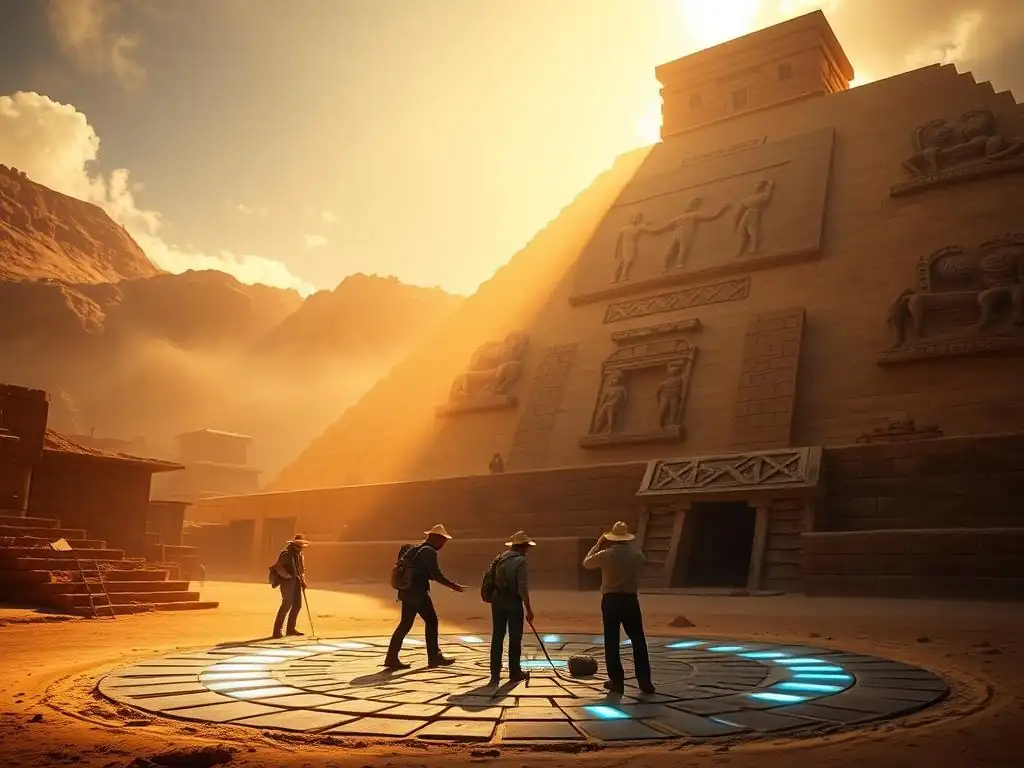
Caral-Supe, located in the arid Supe Valley of Peru, stands as one of the oldest known urban centers in the Americas, flourishing approximately 4,500 to 5,000 years ago. This monumental site, predating the Olmec and Chavín cultures, comprises a complex network of pyramids, plazas, and residential areas, suggesting a highly organized society with sophisticated architectural and engineering capabilities. Its sustained existence for over a millennium without apparent defensive structures points towards a society perhaps united more by cultural and religious practices than by military might, placing ritual at the very heart of its social fabric.
The archaeological findings at Caral-Supe consistently reveal a profound emphasis on ceremonial activities. Evidence includes large public plazas, circular sunken courts, and specific structures that appear to have served as dedicated spaces for gatherings and performances. The sheer scale and deliberate design of these areas underscore the importance of communal rites, which likely integrated various sensory experiences, including visual spectacle, olfaction from offerings, and, critically, auditory elements, forming the bedrock for any comprehensive CaralSupe music ritual analysis.
The Significance of Sound in Ancient Societies
Sound, in its myriad forms, played an indispensable role in the social, spiritual, and political lives of ancient societies across the globe. Beyond mere communication, sound could define sacred spaces, mark the passage of time, and evoke powerful emotional and psychological states. From the rhythmic chants of communal labor to the precise intonations of shamanic rituals, acoustic phenomena were often intertwined with cosmology, social hierarchy, and the very act of creating and maintaining collective identity.
In ceremonial contexts, the deliberate manipulation of sound could transform ordinary spaces into extraordinary realms, facilitating communication with the divine or reinforcing the authority of ritual practitioners. The use of specific instruments, vocalizations, and environmental acoustics contributed to the creation of immersive soundscapes designed to unify participants, induce trance-like states, or convey complex narratives. Understanding these sonic dimensions is crucial for a holistic interpretation of ancient cultures, including the intricate CaralSupe music ritual analysis.
Exploring the Intersection of Music and Ritual in Caral-Supe
The intersection of music and ritual in Caral-Supe offers a unique window into the cognitive and spiritual landscape of this ancient civilization. While direct recordings of their music are impossible, archaeological discoveries of musical instruments provide tangible evidence of a rich auditory culture. These artifacts, when analyzed in conjunction with the architectural design of ceremonial spaces and comparative studies with other Andean traditions, allow researchers to reconstruct hypothetical soundscapes and infer the functions of music within Caral-Supe's elaborate rituals.
This exploration goes beyond merely identifying instruments; it delves into how sound was produced, perceived, and integrated into the very fabric of ritual performance. By examining the types of instruments, their materials, their placement within sites, and the potential acoustic properties of the monumental architecture, scholars can begin to piece together a compelling narrative of Caral-Supe's sonic world. Such an interdisciplinary approach is fundamental for a meaningful CaralSupe music ritual analysis, shedding light on the non-material aspects of their complex society.
Archaeological Evidence of Musical Instruments in Caral-Supe
Flutes from Caral: Construction and Materials
Among the most significant musical discoveries at Caral are the well-preserved flutes, predominantly found within the ceremonial precinct of the Piramide Mayor. A notable cache includes 32 flutes, meticulously crafted from the bones of condors and pelicans, animals with significant symbolic resonance in Andean cosmology. These instruments, typically ranging from 20 to 30 centimeters in length, often feature a series of precisely drilled finger holes, usually 5 to 7, indicating a sophisticated understanding of pitch and scale. The smooth, polished surfaces and intricate carvings on some of these flutes highlight the advanced craftsmanship of Caral-Supe artisans.
The choice of avian bones for these flutes is particularly telling. Condor bones, being hollow and robust, provided ideal material for wind instruments, while pelican bones, due to their specific structure, may have offered different tonal qualities. The precision in their construction suggests that these were not merely functional tools but sacred objects, carefully manufactured to produce specific sounds for ritualistic purposes. The discovery of multiple flutes of similar design implies a standardized production and perhaps collective musical performances, underpinning the complexity of CaralSupe music ritual analysis.
Cornetts and Other Wind Instruments: A Glimpse into Caral-Supe Orchestration
Beyond flutes, archaeological excavations at Caral-Supe have also unearthed evidence of other wind instruments, notably cornetts. These larger instruments, often fashioned from deer or llama bones, would have produced deeper, more resonant sounds compared to the higher-pitched flutes. Their presence suggests a broader sonic palette and the potential for varied timbres within Caral-Supe's musical performances, hinting at a rudimentary form of orchestration or ensemble playing. The diversity of instruments points to a well-developed musical tradition capable of creating complex auditory experiences.
The discovery of these various wind instruments, including both flutes and cornetts, provides crucial insights into the potential scope and complexity of Caral-Supe's sonic repertoire. While percussion instruments, being made of perishable materials, are less likely to survive, the strong evidence of wind instruments suggests a primary focus on melodic and harmonic structures in their ritual music. This array of instruments forms a tangible basis for any CaralSupe music ritual analysis, allowing scholars to speculate on the range of sounds produced during their ancient ceremonies.
Analysis of Instrument Placement within Caral-Supe Archaeological Sites
The precise archaeological context of musical instrument discoveries at Caral-Supe offers invaluable clues about their function and significance. Many of the flutes and cornetts were not found in mundane residential areas but within or near major ceremonial structures, such as the Piramide Mayor and the Temple of the Amphitheatre. For instance, the cache of 32 flutes was discovered within a specific offering context near the main altar of the Piramide Mayor, suggesting their direct association with high-status rituals or sacrifices.
This deliberate placement strongly indicates that these instruments were integral components of Caral-Supe's ritual practices, likely used by priests or elite performers during public ceremonies. Their presence within ritual spaces, rather than everyday contexts, reinforces the idea that music was not merely entertainment but a powerful tool for religious expression and social cohesion. This spatial analysis is a critical component of CaralSupe music ritual analysis, helping to reconstruct the ceremonial performance landscape.
Interpreting the Role of Music in Caral-Supe Rituals
Caral-Supe Music Ritual Analysis: A Multi-Disciplinary Approach
Interpreting the precise role of music in Caral-Supe rituals requires a robust multi-disciplinary approach, drawing upon archaeology, ethnomusicology, acoustics, and anthropology. While archaeological findings provide the physical evidence of instruments and their contexts, these artifacts alone cannot tell us what the music sounded like or how it functioned within the societal framework. Ethnomusicology offers comparative insights from living traditions, while acoustic studies can model how sound might have behaved within Caral-Supe's monumental spaces. Anthropology helps frame these interpretations within the broader understanding of ancient societal structures and beliefs.
This integrated methodology allows researchers to move beyond simple identification of instruments to a deeper understanding of music as a dynamic force in Caral-Supe society. For example, by combining the study of instrument design with insights into Andean cosmology, scholars can hypothesize about the symbolic meanings of specific melodies or rhythms. This comprehensive CaralSupe music ritual analysis attempts to reconstruct not just the sounds, but their social, spiritual, and political implications, providing a more complete picture of this ancient civilization.
Soundscapes and Ritual Performance: Reconstructing the Sensory Experience
Reconstructing the "soundscapes" of Caral-Supe rituals involves imagining the entire auditory environment experienced by participants. This includes not only the sounds produced by the flutes and cornetts but also human voices (chants, shouts), the ambient sounds of the environment (wind, nearby rivers), and the acoustic properties of the ceremonial architecture itself. The large, open plazas and tiered pyramids would have created specific acoustic effects, potentially amplifying sounds, producing echoes, or directing sound towards the assembled audience, thereby enhancing the immersive quality of the ritual.
Consideration of the soundscape allows for a more holistic understanding of ritual performance. Music was likely intertwined with dance, procession, and the consumption of ritual substances, all contributing to a multi-sensory experience designed to transform participants. The interplay of different sounds, carefully orchestrated, could have induced altered states of consciousness, reinforced communal identity, or conveyed specific spiritual messages. This emphasis on the full sensory experience is vital for a comprehensive CaralSupe music ritual analysis.
In complex societies like Caral-Supe, music served as a powerful tool for fostering social cohesion and reinforcing existing power structures. Communal musical performances during rituals would have created shared emotional experiences, strengthening group identity and solidarity among the diverse inhabitants of the city and its surrounding settlements. The synchronized rhythms and melodies could have facilitated collective action, whether in ritual dances or large-scale public works, binding individuals into a cohesive social unit.
Furthermore, music in ritual contexts often played a role in legitimizing the authority of religious and political elites. Priests or leaders who could expertly perform or orchestrate these musical ceremonies would have demonstrated their connection to the divine, thereby reinforcing their social standing. The creation of impressive soundscapes, perhaps audible across large distances within the ceremonial complex, would have projected an image of power and order, contributing to the stability and influence of the Caral-Supe civilization. This aspect is crucial for understanding the broader implications of CaralSupe music ritual analysis.
Comparative Analysis: Music in Other Contemporary Andean Cultures
Parallels and Divergences: Comparing Caral-Supe Music to Other Early Andean Societies
While Caral-Supe predates many well-studied Andean civilizations, comparing its musical evidence to other early societies in the region can reveal fascinating parallels and divergences. For instance, wind instruments, particularly flutes and panpipes, are a recurring feature across numerous pre-Columbian Andean cultures, from the Initial Period to the Late Horizon. This suggests a long-standing tradition of aerophone use in ritual and ceremonial contexts throughout the Andes. However, the specific types of materials, construction techniques, and the prevalence of certain instruments might vary, offering unique insights into Caral-Supe's distinct musical practices.
Divergences might include the absence of certain instrument types commonly found in later periods, such as ceramic trumpets or panpipes, or the unique emphasis on specific animal bones for construction. Such comparisons are not about finding direct lineage but rather about understanding the shared cultural substratum and the unique innovations that characterized different early Andean societies. This comparative lens significantly enriches CaralSupe music ritual analysis, providing a broader context for its specific findings.
Chavín de Huántar: Sound and Ritual in the Highlands
A particularly illuminating comparison can be drawn with Chavín de Huántar, a major ceremonial center in the Andean highlands that flourished much later, from approximately 1200 to 400 BCE. Chavín is renowned for its elaborate use of acoustics and its discovery of numerous pututus (conch shell trumpets) within its labyrinthine galleries. These conch shells, when blown, produce deep, resonant sounds that would have reverberated powerfully within the confined, dark spaces of the temple, creating an awe-inspiring and disorienting auditory experience for initiates.
While Caral-Supe lacked conch shells due to its coastal location and earlier period, the deliberate manipulation of sound within monumental architecture appears to be a shared principle. Both sites demonstrate a sophisticated understanding of how sound could be controlled and amplified to enhance ritual efficacy. The pututus of Chavín exemplify a powerful use of sound that, while distinct in instrument, echoes the likely intent behind Caral-Supe's bone flutes and cornetts in their respective ceremonial settings, offering a valuable comparative point for CaralSupe music ritual analysis.
Implications for Understanding Andean Cultural Development
The comparative study of music and sound in early Andean cultures, including Caral-Supe, has significant implications for understanding the broader trajectory of Andean cultural development. It highlights the enduring importance of sound in ritual and social organization across millennia, suggesting a deep-seated cultural continuity in the region. The presence of sophisticated musical instruments and acoustically designed spaces in very early centers like Caral-Supe indicates that complex ritual performance, involving music, was a foundational element of state formation and social cohesion, long before the rise of later empires.
Furthermore, these comparisons allow researchers to trace the evolution of musical technologies and ritual practices, identifying shared innovations and regional specializations. Understanding the common threads and unique expressions of musical culture helps to build a more nuanced picture of how Andean societies interacted, influenced each other, and developed their distinct identities. This broader perspective is essential for contextualizing and deepening the insights derived from CaralSupe music ritual analysis.
The Acoustics of Caral-Supe Ceremonial Spaces
Architectural Design and Sound Amplification
The monumental architecture of Caral-Supe, particularly its large pyramids and sunken circular plazas, suggests a deliberate consideration of acoustic properties. The open, tiered design of these structures, such as the Piramide Mayor and the Temple of the Amphitheatre, would have naturally amplified sounds produced within the central performance areas, allowing them to carry across significant distances to a large assembled audience. The smooth, sloping surfaces of the pyramids could have acted as natural sound reflectors, directing sounds upwards and outwards, ensuring that ritualistic music and chanting were widely heard.
Specifically, the sunken circular plazas, a recurring feature at Caral and other contemporary sites like Huaricanga, might have functioned as natural amphitheaters, creating an enclosed acoustic environment that contained and focused sound. The elevated platforms surrounding these plazas would have provided ideal vantage points for both performers and listeners, further enhancing the auditory experience. This intentional sound design suggests that Caral-Supe architects possessed an intuitive understanding of acoustics, integrating it into their ceremonial planning.
Investigating the Acoustic Properties of Caral-Supe Pyramids
While direct empirical measurements are challenging due to the age and state of preservation, researchers can employ acoustic modeling and virtual reconstruction techniques to investigate the potential sound properties of Caral-Supe's pyramids. By creating detailed 3D models of the structures and simulating sound propagation within them, scholars can hypothesize about reverberation times, sound pressure levels, and directional sound fields. Such studies aim to understand how the architecture might have influenced the perceived qualities of ritual music and speech.
For example, a large, open plaza might have produced long reverberation times, creating a sense of grandeur and continuity for sustained tones, while a more enclosed space might have offered clearer, more intimate sound. These investigations delve into the concept of "acoustic archaeology," where the physical remains of structures are analyzed for their sonic implications. Understanding these properties is crucial for a complete CaralSupe music ritual analysis, as the environment itself was an integral part of the performance.
Hypothesis: Intentional Sound Design for Ritualistic Purposes
Based on the strategic placement of musical instruments and the likely acoustic properties of the ceremonial architecture, a compelling hypothesis emerges: Caral-Supe architects intentionally incorporated sound design into their building plans for ritualistic purposes. It is plausible that the specific dimensions, orientations, and materials of their structures were chosen not only for structural integrity or visual impact but also for their ability to enhance or manipulate sound. This would have transformed the ritual experience, making it more immersive, powerful, and emotionally resonant for participants.
Such intentional acoustic engineering would have allowed ritual leaders to control the auditory environment, perhaps amplifying specific sounds at key moments, creating dramatic echoes, or ensuring that the sacred music reached every member of the congregation. This sophisticated understanding of sound's impact on human perception underscores the advanced nature of Caral-Supe's ritual practices and their mastery over various sensory elements to achieve desired spiritual and social outcomes. This hypothesis is a cornerstone for advancing CaralSupe music ritual analysis.
Ethnoarchaeological Insights: Connecting Ancient Practices to Modern Andean Music
Exploring Continuities in Musical Traditions
Ethnoarchaeology provides a valuable bridge between the archaeological past and the ethnographic present, allowing researchers to draw informed analogies between ancient practices and contemporary indigenous traditions. In the Andean region, there is a remarkable continuity in musical traditions that spans millennia. Many modern Andean communities, particularly those in more remote areas, continue to use instruments like flutes (e.g., quenas, pinkillos), panpipes (sikus), and drums in their ceremonies, social gatherings, and agricultural rituals. While direct lineal descent from Caral-Supe is not provable, the persistence of certain instrument types and their ceremonial functions offers powerful insights.
For example, the widespread use of bone flutes in ancient Peru, including Caral-Supe, finds echoes in the continued reverence for and use of traditional wind instruments in contemporary Andean festivals. The communal nature of music-making, often linked to agricultural cycles or rites of passage, also suggests a deep-rooted cultural pattern. Exploring these continuities helps to contextualize the archaeological findings and allows for educated speculation about the social and spiritual roles of music in Caral-Supe, enriching the CaralSupe music ritual analysis.
The Potential for Ethnomusicological Reconstruction of Caral-Supe Music
Ethnomusicologists, by studying the structure, performance practices, and cultural contexts of modern Andean music, can contribute significantly to the hypothetical reconstruction of Caral-Supe's sonic world. While it is impossible to know the exact melodies or rhythms, an understanding of traditional Andean scales, rhythmic patterns, and performance techniques can inform plausible interpretations. For instance, the prevalence of pentatonic or diatonic scales in later Andean music might suggest similar melodic structures in earlier periods.
Furthermore, ethnomusicological research can shed light on the social functions of music – how it builds community, facilitates trance, or communicates sacred narratives. By analyzing how music operates in contemporary Andean rituals, scholars can develop models for understanding the potential functions of Caral-Supe's instruments and performances. This approach acknowledges the limitations of direct reconstruction but emphasizes the value of informed, culturally sensitive speculation in CaralSupe music ritual analysis.
Q'eros Ritual Music and its Potential Relevance to Caral-Supe Studies
The Q'eros people of the Peruvian Andes, often considered one of the last Inca communities, offer a compelling case study for ethnoarchaeological comparison. Their ritual music, deeply intertwined with their spiritual beliefs and agricultural calendar, features instruments like pinkillos (small flutes) and pututus (conch shell trumpets, though distinct from Chavín's). Their ceremonies involve specific melodies and rhythms performed in sacred spaces, often to invoke mountain spirits ( apus) or ensure successful harvests.
The Q'eros' use of flutes in highly spiritual contexts, their understanding of sound as a bridge to the sacred, and their communal musical practices provide an invaluable analogue for considering Caral-Supe. While separated by millennia and vast cultural shifts, the fundamental human experience of music in ritual, especially with wind instruments, may share common underlying principles. Studying the Q'eros' practices can thus offer conceptual frameworks and interpretive possibilities for understanding the enigmatic CaralSupe music ritual analysis.
Challenges and Future Directions in Caral-Supe Music Ritual Analysis
Preservation of Fragile Musical Artifacts
One of the primary challenges in Caral-Supe music ritual analysis is the inherent fragility of ancient musical artifacts. Instruments made from organic materials like bone, wood, or reeds are highly susceptible to decay, environmental damage, and breakage during excavation. The bone flutes of Caral, while remarkably preserved, still require meticulous handling and specialized conservation techniques to prevent further deterioration. The absence of instruments made from more perishable materials, such as drums fashioned from hide or wood, means that our understanding of Caral-Supe's full instrumental repertoire is incomplete and biased towards durable materials.
Ongoing efforts in archaeological conservation are crucial to ensure that these invaluable artifacts survive for future generations of researchers. This includes controlled environmental storage, careful restoration, and detailed documentation. Without robust preservation strategies, the very physical evidence that underpins our understanding of Caral-Supe's sonic world could be lost, severely hindering future attempts at CaralSupe music ritual analysis.
Advancing Research Methodologies for Studying Ancient Soundscapes
The study of ancient soundscapes is a relatively nascent field, and significant methodological challenges remain. Reconstructing sounds from thousands of years ago, when only fragments of instruments and architectural remains exist, requires innovative approaches. Advancing research methodologies involves refining acoustic modeling techniques, developing more sophisticated analytical tools for instrument analysis, and integrating data from diverse disciplines more seamlessly. For instance, combining precise 3D scans of instruments with digital acoustic simulations of the ceremonial spaces can yield more accurate hypotheses about the sounds produced and perceived.
Furthermore, the development of virtual reality and augmented reality platforms could allow researchers and the public to experience hypothetical Caral-Supe soundscapes in an immersive way, fostering deeper understanding. Overcoming the inherent limitations of studying non-material culture from the distant past demands continuous innovation and interdisciplinary collaboration to push the boundaries of CaralSupe music ritual analysis.
The Ongoing Quest to Understand Caral-Supe's Sonic Legacy
The study of music and sound in Caral-Supe is an ongoing quest, with each new discovery and analytical advancement contributing to a richer understanding. While much remains unknown, the existing archaeological evidence strongly suggests that music was not merely an embellishment but a fundamental component of this early civilization's ritual life and social structure. The unique preservation of bone flutes and cornetts provides a rare glimpse into the sonic world of a society that predates many of the well-known Andean cultures.
Future research will undoubtedly continue to refine our interpretations, perhaps through the discovery of new artifacts, the application of advanced scientific techniques, or the development of more nuanced comparative frameworks. The enduring resonance of Caral-Supe's ancient sounds offers a powerful reminder of the universal human connection to music and its profound role in shaping human experience, even in the earliest urban centers. This persistent inquiry will continue to deepen our CaralSupe music ritual analysis.
Conclusion: The Enduring Resonance of Music in Caral-Supe
Summarizing the Importance of Music in Caral-Supe Society
The archaeological evidence from Caral-Supe strongly indicates that music and soundscapes were not peripheral but central to the functioning of this ancient civilization. The discovery of meticulously crafted bone flutes and cornetts, often found in significant ritual contexts, points to a sophisticated musical tradition. These instruments, along with the acoustically considered design of Caral-Supe's monumental plazas and pyramids, underscore music's integral role in public ceremonies, spiritual practices, and the reinforcement of social cohesion. Music served as a powerful tool for communication, emotional expression, and the creation of shared experiences that bound the Caral-Supe community together.
Through a multi-disciplinary CaralSupe music ritual analysis, incorporating archaeology, acoustics, and ethnomusicology, we can reconstruct a compelling picture of a society that understood and harnessed the power of sound. Music facilitated collective rituals, potentially induced altered states of consciousness, and reinforced the authority of its leaders, making it a cornerstone of Caral-Supe's social and religious life.
Implications for Understanding Early Andean Civilization
The insights gained from studying music and sound at Caral-Supe have profound implications for our broader understanding of early Andean civilization. They highlight that complex societal organization and sophisticated ritual practices, including elaborate musical performances, emerged in the Americas much earlier than previously thought. Caral-Supe demonstrates that non-material cultural elements like music were crucial drivers in the development of urban centers and state-level societies, long before the advent of writing or extensive warfare.
This focus on music enriches the narrative of Andean cultural development by emphasizing the continuity of certain musical traditions across millennia and the enduring human need for communal sonic experiences. It underscores that the foundations of later Andean empires, such as the Moche or Inca, were laid by pioneering cultures like Caral-Supe, where sound played a foundational role in shaping collective identity and spiritual belief. The CaralSupe music ritual analysis thus provides a vital piece in the puzzle of ancient American history.
The Future of Caral-Supe Archaeological Research and Interpretation
The study of Caral-Supe's sonic legacy is an evolving field, with immense potential for future discoveries and interpretive advancements. Continued archaeological excavations may unearth new types of instruments or provide further contextual clues about existing ones. Moreover, the application of cutting-edge scientific methodologies, such as advanced acoustic modeling, biomolecular analysis of instrument materials, and refined ethnoarchaeological comparisons, promises to yield even deeper insights into the intricacies of Caral-Supe's musical practices.
The ongoing quest to understand Caral-Supe's ancient soundscapes not only sheds light on one of the world's earliest urban civilizations but also enriches our appreciation for the universal power of music across human history. As research progresses, the echoes of Caral-Supe's rituals will continue to resonate, offering a unique auditory window into a vibrant and complex ancient world, further solidifying the importance of CaralSupe music ritual analysis in archaeological discourse.
Frequently Asked Questions
What evidence suggests music and sound played a significant role in CaralSupe rituals?
Archaeological evidence, including the discovery of musical instruments like flutes and cornets, coupled with architectural acoustics within ceremonial sites, points to the importance of sound. These findings suggest deliberate construction to enhance auditory experiences during rituals.
How does the study of soundscapes contribute to our understanding of CaralSupe society?
Analyzing the reconstructed soundscapes, based on instrument types and site acoustics, provides insights into the intended emotional and spiritual impact of rituals. This helps us understand the social hierarchy and belief systems of the CaralSupe.
The majority of musical instrument discoveries and acoustically significant architectural features have been found at the Caral site itself, as well as other important CaralSupe centers in the Supe Valley of Peru.
What types of musical instruments have been unearthed at CaralSupe sites?
Archaeologists have recovered a variety of instruments, most notably flutes made from condor and pelican bones and cornets made from deer antlers. These instruments provide clues about the types of melodies and rhythms used.
What are some limitations in the current understanding of CaralSupe music rituals?
Reconstructing the exact nature of the music and its performance context is challenging due to the limited preservation of musical notation and the difficulty in interpreting the symbolic meanings associated with the sounds.
Final Reflection: Echoes of Ancient Harmony
The exploration of music and soundscapes in CaralSupe rituals, as presented in this analysis, reveals that these ancient practices were not merely ceremonial, but deeply intertwined with the very fabric of their society. Understanding the role of music in CaralSupe offers a unique lens through which to view their worldview, social structure, and connection to the cosmos, a perspective that resonates even today as we seek to understand the origins of human culture and spirituality.
The echoes of their flutes and drums still whisper secrets of a civilization that valued harmony and balance, both within themselves and with the world around them.
This journey into the soundscapes of CaralSupe has profoundly underscored the enduring power of music to shape belief systems and social cohesion. It reminds us that even in the absence of written language, music served as a powerful medium for transmitting knowledge, values, and spiritual understanding across generations. Music is the universal language of mankind.
- Henry Wadsworth Longfellow. This quote encapsulates the essence of our exploration, highlighting how music transcended the limitations of spoken word to connect individuals and communities in profound ways, a legacy that continues to inspire and unite us today.
As we conclude this exploration of CaralSupe music ritual analysis, I invite you to consider the role of sound and music in your own life. How does music shape your experiences, connect you to others, and influence your understanding of the world? Let the echoes of CaralSupe inspire you to listen more deeply, to appreciate the power of sound, and to recognize the profound impact that music has on shaping our individual and collective identities. Embrace the harmony, and let it resonate within you.
Unearth the Secrets: Let the Sounds of Caral-Supe Inspire You!
Thank you for exploring the fascinating role of music and soundscapes in Caral-Supe rituals. We hope you’ve gained valuable insights into this ancient civilization's cultural practices. Now, let’s bring that inspiration to life!
Here are a few ways you can connect further with this rich history:
- Recreate a Caral-Supe inspired soundscape using modern instruments and field recordings. Experiment with sounds that evoke the landscape and rituals described in the article.
- Delve deeper by researching related archaeological sites in Peru and compare their soundscapes to those of Caral-Supe.
- Share your thoughts and interpretations of the article with fellow archaeology enthusiasts on social media using #CaralSupeSounds.
What sounds do you think would have been most prevalent during a Caral-Supe ritual, and how would they affect those present?