
PaleoArctic Tradition: Early Inhabitants of Canada's Northern Regions

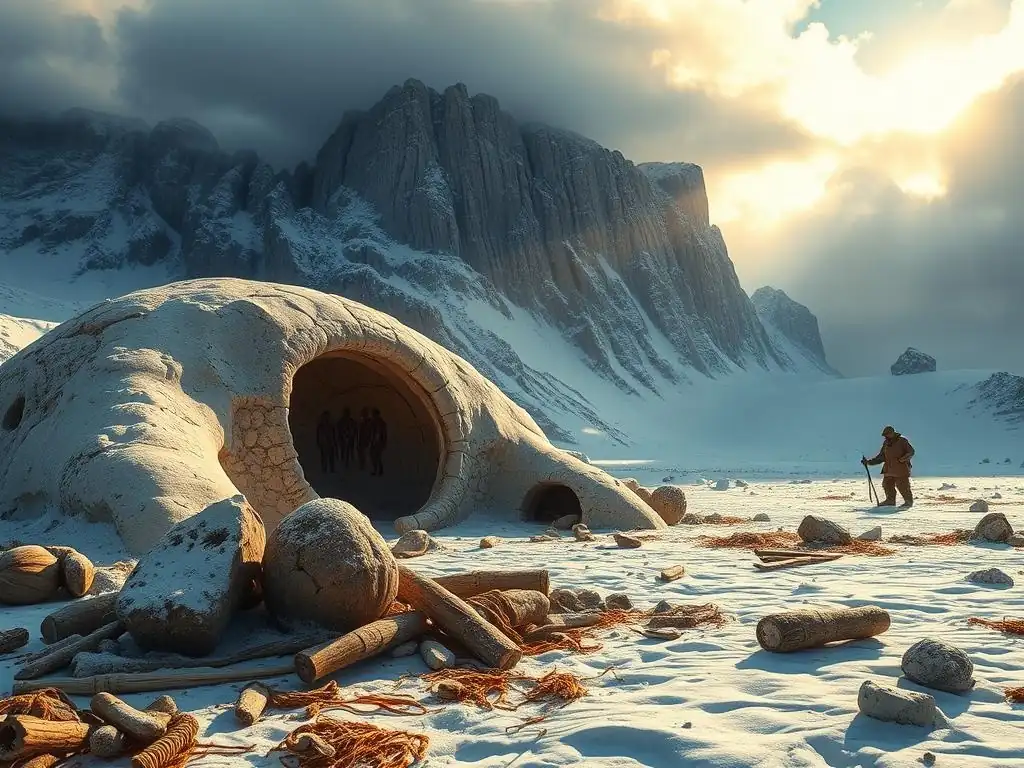
Welcome to ArchaeologyHub.org, your gateway to the past! Imagine a time long before settled villages, when nomadic hunters roamed the icy landscapes of North America. Our journey begins in the Canadian Arctic, where the story of the PaleoArctic tradition unfolds. What secrets do their tools and settlements reveal about the earliest inhabitants of Canada's northern regions? Dive in and discover the fascinating history etched in stone and ice.
- Introduction to the PaleoArctic Tradition in Canada
- Origins and Development of the PaleoArctic Tradition
- PaleoArctic Culture and Lifestyle
- Key PaleoArctic Sites in Canada
- PaleoArctic Tradition: Timeline and Chronology
- PaleoArctic Tradition vs. Other Early Cultures of North America
- The Legacy of the PaleoArctic Tradition
- Conclusion: The Enduring Story of Canada's PaleoArctic Peoples
-
Frequently Asked Questions
- What is the PaleoArctic Tradition, and where did it exist?
- How does the PaleoArctic Tradition relate to the broader history of Canada?
- What archaeological evidence supports our understanding of the PaleoArctic Tradition?
- What were the primary subsistence strategies of the PaleoArctic people in Canada?
- How is the PaleoArctic Tradition researched and understood today?
- Final Reflection: Echoes of Resilience in the Arctic
- Unearth the Secrets: Your PaleoArctic Adventure Starts Now!
Introduction to the PaleoArctic Tradition in Canada
ArchaeologyHub.org: Unveiling Canada's Ancient Past
ArchaeologyHub.org serves as a comprehensive digital encyclopedia, dedicated to illuminating the vast tapestry of global archaeological discoveries. Our mission extends to meticulously documenting the ancient past of regions like Canada, providing detailed insights into the earliest human occupations and the remarkable adaptations of these pioneering groups. Through in-depth analyses of excavation techniques, artifact profiles, and interpretive summaries, we aim to make the rich historical narratives of ancient civilizations accessible to a global audience.
Understanding Canada's ancient past, particularly the intricacies of the PaleoArctic tradition Canada history, is crucial for appreciating the full scope of human ingenuity and resilience. These early inhabitants laid the groundwork for subsequent cultures, demonstrating unparalleled skill in navigating and thriving in some of the planet's most challenging environments. Our platform strives to bring these stories to life, offering a detailed chronological and geographical overview that highlights the profound contributions of these foundational cultures.
Defining the PaleoArctic Tradition: A Historical Overview
The PaleoArctic tradition represents a distinct cultural complex of early hunter-gatherers who inhabited vast stretches of the North American Arctic, including Alaska, parts of Greenland, and significantly, the northern regions of Canada. This tradition is generally dated from approximately 4500 BCE to 1 AD, though specific regional chronologies may vary. It is characterized by a unique lithic technology, primarily featuring microblades and burins, which allowed for efficient resource exploitation in the harsh Arctic landscape.
Unlike the more widely distributed Paleoindian cultures to the south, the PaleoArctic tradition was specifically adapted to the circumpolar environment, developing specialized tools and subsistence strategies for cold-weather survival. Their material culture reflects a profound understanding of Arctic fauna and flora, enabling them to thrive in areas that remained largely uninhabited for millennia. The study of the PaleoArctic tradition Canada history thus offers a unique window into humanity's remarkable capacity for adaptation.
Origins and Development of the PaleoArctic Tradition
The Arrival of Early Peoples in Arctic Canada
The initial peopling of the North American Arctic is largely understood to have occurred via the Beringia land bridge, which connected Asia and North America during periods of lower sea levels. While the precise timing and routes are subjects of ongoing research, archaeological evidence suggests that groups ancestral to the PaleoArctic tradition began to move into the Canadian Arctic around 5,000 to 4,000 BCE, following retreating ice sheets and newly available land. These migrations represented an extraordinary feat of human endurance and navigational skill.
Survival in the high Arctic demanded specialized knowledge and remarkable adaptability. These early peoples developed sophisticated strategies for hunting large game, navigating vast, often featureless landscapes, and constructing shelters capable of withstanding extreme cold. Their successful colonization of such a challenging environment speaks volumes about their ingenuity and the depth of their understanding of the natural world, marking a pivotal chapter in PaleoArctic tradition Canada history.
PaleoArctic Tool Technology: Adaptations to a Harsh Environment
The lithic technology of the PaleoArctic tradition is a testament to their innovative adaptation to the challenging Arctic environment. Their tools were meticulously crafted, often from high-quality chert and other cryptocrystalline silicates, reflecting an emphasis on efficiency and versatility. The small, portable nature of many of their tools also suggests a highly mobile lifestyle, where minimizing weight and maximizing utility were paramount for survival.
The scarcity of certain raw materials in the Arctic necessitated careful resource management and sophisticated knapping techniques. PaleoArctic artisans demonstrated remarkable skill in producing a diverse range of tools from limited resources, including composite tools that extended the utility of smaller stone elements. This technological ingenuity was fundamental to their ability to hunt, process food, and create essential items in a demanding landscape.
Microblade Technology and its Significance
Microblade technology is one of the most distinctive and diagnostic features of the PaleoArctic tradition. These small, parallel-sided blades, typically less than 5 cm long, were produced from specially prepared cores, often wedge-shaped or boat-shaped. Rather than being used individually, microblades were typically inserted into slots in bone, antler, or ivory shafts to create composite tools, such as knives, projectile points, and scrapers.
The significance of microblades lies in their efficiency and resourcefulness. This technology allowed for the maximum utilization of high-quality stone, as many effective cutting edges could be produced from a single core. Moreover, if a blade broke, it could be easily replaced without discarding the entire tool, making them highly practical for mobile hunter-gatherers in an environment where raw materials were precious. Microblades are a key indicator when studying the PaleoArctic tradition Canada history.
Burins and Other Specialized Tools
In addition to microblades, burins were another ubiquitous and crucial tool type in the PaleoArctic toolkit. These chisel-like implements, characterized by a sharp, angled cutting edge, were primarily used for grooving, incising, and splitting hard organic materials such as bone, antler, and ivory. Burins were essential for crafting a wide array of specialized Arctic implements, including harpoon heads, needles, awls, and handles for other tools.
The PaleoArctic toolkit also included various other specialized tools, such as small bifacial points, end scrapers, side scrapers, and adzes. Bifacial points, often lanceolate or leaf-shaped, were likely used as projectile tips for hunting. Scrapers were vital for processing animal hides, turning them into clothing and shelter materials, while adzes would have been used for woodworking. This diverse array of tools underscores the comprehensive adaptive strategies employed by PaleoArctic peoples.
PaleoArctic Culture and Lifestyle
Subsistence Strategies: Hunting and Gathering in the Arctic
The subsistence strategies of the PaleoArctic peoples were highly specialized, reflecting a profound adaptation to the Arctic environment. Their survival depended on a deep understanding of animal behavior, seasonal migrations, and resource availability. These groups practiced a broad-spectrum hunting and gathering economy, targeting a variety of terrestrial and marine fauna, supplemented by the opportunistic collection of edible plants where available.
Their ability to thrive in such a challenging environment hinged on their mobility and their capacity for meticulous planning. PaleoArctic groups would move across the landscape, following game herds and exploiting seasonally abundant resources. This nomadic lifestyle, driven by the pursuit of food, necessitated lightweight and efficient tools, as well as robust knowledge of the vast Arctic terrain.
Caribou, Muskoxen, and Seals
Terrestrial megafauna, particularly caribou and muskoxen, formed a cornerstone of the PaleoArctic diet and resource base. Caribou, known for their vast migratory herds, provided not only meat but also hides for clothing and shelter, and bone/antler for tools. Evidence from sites like Port Refuge on Devon Island indicates the significant role these animals played in their economy, with remains of both caribou and muskoxen frequently found.
Coastal PaleoArctic groups also heavily relied on marine resources, with seals being a primary target. Seals provided essential fats and proteins, crucial for survival in the cold Arctic. The development of specialized hunting tools, such as harpoons (often with composite heads using microblades), would have been vital for successful marine mammal hunting. This dual focus on terrestrial and marine resources highlights the adaptive flexibility of the PaleoArctic tradition Canada history.
Seasonal Resource Exploitation
PaleoArctic groups engaged in intricate patterns of seasonal resource exploitation, moving strategically to maximize their access to food. For instance, they might have followed caribou herds inland during certain seasons, establishing temporary camps along migration routes to intercept the animals. As seasons changed, they would shift their focus to coastal areas to hunt seals or fish when these resources were most abundant.
This seasonal mobility necessitated a deep ecological knowledge, allowing them to predict animal movements and identify key resource aggregation points. The success of these strategies often relied on communal effort, with groups likely cooperating in large-scale hunts and the processing of meat and hides. This highly organized approach to resource exploitation underscores the complex social structures underpinning their survival.
Settlement Patterns and Housing Structures
The settlement patterns of the PaleoArctic tradition generally reflect a highly mobile, hunter-gatherer lifestyle. Their encampments were often temporary, established at strategic locations for hunting or resource gathering. Due to their ephemeral nature and the challenging Arctic climate, the archaeological remains of these settlements can be subtle, primarily consisting of scattered stone tools, faunal remains, and hearth features.
While substantial, permanent housing structures are rare, evidence suggests the use of lightweight, portable dwellings. These would likely have been tent-like structures, possibly constructed from animal hides stretched over a frame of wood, bone, or antler. Such structures would have provided essential shelter against the extreme cold and winds, while being easily dismantled and transported as groups moved across the landscape.
PaleoArctic Campsites and Dwellings
Typical PaleoArctic campsites are often identified by concentrations of lithic debitage (waste flakes from tool manufacture), hearth features indicating fire use, and scattered faunal remains. These sites might be found on elevated terraces overlooking hunting grounds, or near reliable water sources. The small size and limited artifact diversity at many sites suggest occupation by small family units or bands for relatively short periods.
The construction of dwellings would have been pragmatic and efficient. While no intact structures remain, archaeologists infer circular or oval outlines from post molds or stone rings used to weigh down tent edges. These dwellings, likely similar to early versions of the skin tents used by later Arctic peoples, provided a crucial refuge from the elements, allowing for warmth, food preparation, and social interaction within the harsh environment.
Evidence of Social Organization
While direct evidence of social organization is limited, inferences can be made from settlement patterns and subsistence strategies. The mobile nature of PaleoArctic groups suggests that they lived in small, egalitarian bands, likely composed of extended families or a few closely related families, perhaps numbering 20 to 50 individuals. This size would have been optimal for efficient resource exploitation in a low-density environment.
Large-scale communal hunting of animals like caribou or muskoxen would have required cooperation among multiple individuals or families, implying a degree of social cohesion and leadership for coordination. The sharing of resources, especially after successful hunts, would have been essential for group survival and fostered strong social bonds. This cooperative ethos is a recurring theme in the PaleoArctic tradition Canada history.
Key PaleoArctic Sites in Canada
Port Refuge: A Case Study
Port Refuge, located on the northeastern coast of Devon Island in Nunavut, is one of the most significant and extensively studied PaleoArctic sites in the Canadian Arctic. Discovered in the early 1970s, it has provided invaluable insights into the earliest phases of human occupation in the High Arctic. The site's well-preserved stratified deposits offer a chronological sequence spanning several millennia, making it a critical reference point for understanding PaleoArctic tradition Canada history.
Dating back to approximately 4000 BCE, Port Refuge represents an early expression of the PaleoArctic tradition, showcasing the initial adaptations of these groups to the challenging environment of the Canadian archipelago. Its strategic location, likely chosen for access to both terrestrial and marine resources, highlights the meticulous planning involved in their subsistence strategies.
Archaeological Findings at Port Refuge
Excavations at Port Refuge have yielded a rich assemblage of artifacts characteristic of the PaleoArctic tradition. Key findings include numerous microblades and microblade cores, indicating the widespread use of this diagnostic technology. Also present are various forms of burins, small bifacial projectile points, and scrapers, all meticulously crafted for efficiency in hunting and processing Arctic fauna.
Faunal remains at Port Refuge predominantly consist of caribou and muskoxen bones, suggesting a strong reliance on these terrestrial mammals for subsistence. The presence of hearth features and scattered stone tool debitage further indicates the site was used for camping, tool manufacture, and food preparation. These findings collectively paint a detailed picture of the technological prowess and subsistence focus of early PaleoArctic inhabitants.
Significance of Port Refuge for Understanding PaleoArctic Life
Port Refuge's significance lies in its clear stratigraphic sequence and the quality of its artifact preservation, which have been instrumental in defining the early PaleoArctic tradition in the Canadian Arctic. It provides compelling evidence of human presence in the High Arctic at a remarkably early date, pushing back previous estimates of colonization. The site demonstrates the profound adaptability of these early peoples.
Furthermore, the detailed analysis of Port Refuge's artifact assemblage and faunal remains has allowed archaeologists to reconstruct aspects of their daily life, including hunting techniques, tool use, and dietary preferences. It serves as a foundational site for comparative studies across the broader PaleoArctic tradition, illustrating the core characteristics of this ancient culture.
Brooman Point Village: A Regional Perspective
Brooman Point Village, also situated on Devon Island, offers another critical perspective on the PaleoArctic tradition, though it represents a slightly later or different regional manifestation compared to Port Refuge. While Port Refuge showcases the initial phases, Brooman Point provides insights into the evolution and potential diversification of PaleoArctic occupation, possibly influenced by environmental changes or interactions with other emerging cultures.
This site contributes to a more nuanced understanding of the PaleoArctic tradition Canada history, illustrating that it was not a monolithic culture but rather comprised of groups with varying adaptations and expressions across the vast Canadian Arctic. Studying sites like Brooman Point helps to identify regional variations and chronological shifts within the broader PaleoArctic framework.
Discoveries at Brooman Point Village and their Implications
Discoveries at Brooman Point Village include a range of lithic artifacts consistent with the PaleoArctic tradition, such as microblades and burins. However, the site may also present a broader spectrum of artifact types or potentially more structured dwelling remains, hinting at subtle shifts in settlement patterns or subsistence focus over time. The faunal assemblage might also reveal a different emphasis on marine vs. terrestrial resources, reflecting local environmental conditions.
The implications of these discoveries are significant. They suggest that while the core technological traits of the PaleoArctic tradition persisted, groups adapted their lifeways to specific local conditions or evolving cultural norms. Such variations are crucial for understanding the dynamic nature of early Arctic societies and their capacity for localized innovation within a broader cultural tradition.
Comparing Port Refuge and Brooman Point Village: Regional Variations
Comparing Port Refuge and Brooman Point Village highlights both the enduring commonalities and the subtle regional variations within the PaleoArctic tradition. Both sites share the diagnostic microblade and burin technology, confirming their affiliation with this overarching cultural complex. However, differences might emerge in the specific proportions of tool types, the intensity of site occupation, or the specific faunal exploitation patterns.
For instance, one site might show a stronger emphasis on marine hunting due to its immediate coastal access, while another, slightly inland, might focus more on caribou. These variations underscore the adaptive flexibility of PaleoArctic groups, demonstrating how they fine-tuned their strategies to suit local ecological niches. Such comparative analyses are vital for a comprehensive understanding of PaleoArctic tradition Canada history.
PaleoArctic Tradition: Timeline and Chronology
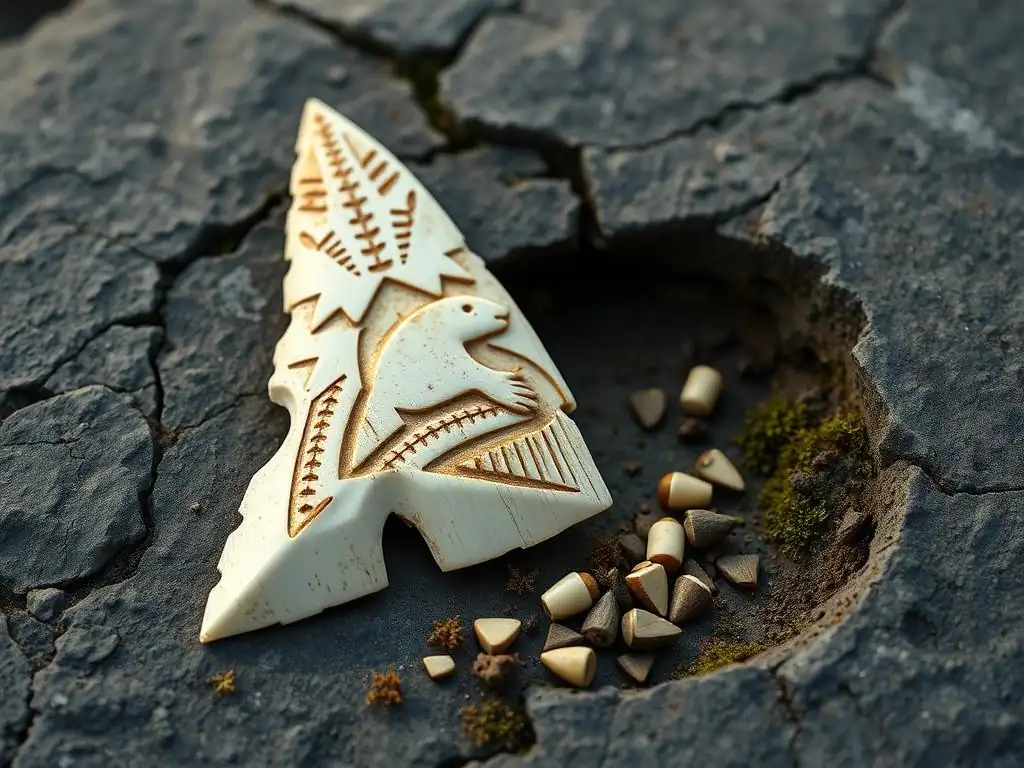
Early PaleoArctic (c. 4500 - 2500 BCE)
The Early PaleoArctic period marks the initial colonization of the Canadian Arctic by these pioneering groups, roughly spanning from 4500 BCE to 2500 BCE. This phase is characterized by the earliest archaeological evidence of human presence in regions like the High Arctic islands, as seen at sites such as Port Refuge. The primary defining feature of this era is the establishment of a highly mobile, hunter-gatherer lifestyle perfectly suited to the newly accessible post-glacial landscapes.
Technologically, the Early PaleoArctic is strongly defined by the widespread production and use of microblades and various forms of burins, indicating a sophisticated approach to tool-making. Subsistence was likely focused on large terrestrial mammals, particularly caribou and muskoxen, although marine resources would have been exploited where available. This period represents the foundational stage of the PaleoArctic tradition Canada history, laying the groundwork for subsequent cultural developments in the region.
Middle PaleoArctic (c. 2500 - 800 BCE)
The Middle PaleoArctic period, generally dated from approximately 2500 BCE to 800 BCE, represents a phase of continued occupation and potential regional diversification across the Canadian Arctic. While retaining the core technological traits of the PaleoArctic tradition, such as microblade technology, this period might see refinements in tool production or shifts in settlement patterns, possibly reflecting increased population densities in certain areas or greater specialization in resource exploitation.
Archaeological sites from this era might show more varied artifact assemblages or a broader geographical distribution, indicating a deeper entrenchment of PaleoArctic groups within the Arctic ecosystem. Environmental changes during this timeframe could also have influenced adaptations, leading to subtle shifts in subsistence strategies or mobility patterns as communities continued to thrive in their challenging environment.
Late PaleoArctic (c. 800 BCE - 1 AD)
The Late PaleoArctic period, spanning from roughly 800 BCE to 1 AD, marks the final stages of this distinct cultural tradition before it gradually transitioned into or was replaced by new cultural complexes in the Arctic. During this time, PaleoArctic groups continued their specialized hunter-gatherer lifeways, although there might be archaeological evidence of increasing interaction with other emerging cultures in adjacent regions.
This period might also show subtle changes in material culture, possibly reflecting innovations or influences from outside. The ultimate fade of the PaleoArctic tradition is a complex process, likely influenced by a combination of environmental shifts, the arrival of new populations, and internal cultural dynamics, leading to the eventual emergence of the Pre-Dorset and Dorset cultures.
Transition to later Arctic Cultures
The transition from the PaleoArctic tradition to later Arctic cultures, particularly the Pre-Dorset and Dorset cultures, is a significant aspect of PaleoArctic tradition Canada history. This transition was not necessarily abrupt but rather a gradual process of cultural evolution and interaction. Archaeological evidence suggests that elements of PaleoArctic technology and knowledge may have been incorporated into or influenced these subsequent cultures.
For instance, while the Pre-Dorset culture developed its own distinctive toolkit, there are sometimes overlaps in the use of certain core technologies or subsistence strategies. This suggests either a direct cultural evolution, where PaleoArctic groups gradually transformed, or a process of cultural diffusion, where new groups arriving in the Arctic adopted successful strategies from the preceding PaleoArctic inhabitants, leading to a rich and complex archaeological record of continuity and change.
PaleoArctic Tradition vs. Other Early Cultures of North America
Comparing PaleoArctic and Paleoindian Cultures
The PaleoArctic tradition stands in contrast to the broader Paleoindian cultures of southern North America (e.g., Clovis, Folsom), primarily in their distinct geographical ranges and specialized adaptations. Paleoindian groups, known for their diagnostic fluted projectile points, were widespread across diverse environments from temperate forests to grasslands, often targeting megafauna like mammoths and mastodons. Their mobility was extensive, but within a different ecological context.
In contrast, the PaleoArctic tradition was exclusively adapted to the extreme conditions of the circumpolar Arctic, developing unique tool technologies like microblades and burins to exploit Arctic-specific resources such as caribou, muskoxen, and seals. While both represent early human occupations of North America, their environmental specializations led to fundamentally different material cultures and subsistence strategies, highlighting the diverse pathways of adaptation.
Distinguishing Features of the PaleoArctic Archaeological Record
The archaeological record of the PaleoArctic tradition is readily distinguishable by several key features that set it apart from other early North American cultures. Foremost among these is the ubiquitous presence of microblades and the specialized cores from which they were struck. These tiny, sharp bladelets, often used as composite tool inserts, are a hallmark of PaleoArctic sites across the Arctic.
Furthermore, the prevalence of burins, designed for working bone, antler, and ivory, is another diagnostic feature. While some early cultures may have used similar tools, the specific morphology and consistent presence of these implements in PaleoArctic assemblages are unique. The smaller scale of their bifacial points and the overall emphasis on a portable, efficient toolkit further define the PaleoArctic tradition Canada history and its archaeological footprint.
Interactions and Influences Between Different Groups
Direct archaeological evidence for extensive interactions and influences between PaleoArctic groups and other early North American cultures (such as those to the south) is generally limited, primarily due to the vast geographical and environmental barriers separating them. However, it is plausible that some degree of indirect exchange or cultural diffusion occurred over millennia, particularly with groups occupying adjacent subarctic regions.
More significant interactions likely occurred between different PaleoArctic groups themselves, leading to regional variations and shared technological innovations. Furthermore, the transition to later Arctic cultures, like the Pre-Dorset, suggests a complex interplay where some elements of PaleoArctic knowledge and technology may have been carried forward, contributing to the rich cultural tapestry of the Arctic.
The Legacy of the PaleoArctic Tradition
Contributions to Understanding Arctic Prehistory
The study of the PaleoArctic tradition has made immense contributions to our understanding of Arctic prehistory. It has unequivocally demonstrated the deep antiquity of human occupation in the North American Arctic, pushing back the timeline of human presence in these extreme environments by thousands of years. This challenges previous assumptions about the limits of human adaptability and the speed of post-glacial colonization.
Moreover, the detailed analysis of PaleoArctic tool technologies, subsistence strategies, and settlement patterns has provided invaluable insights into the specific innovations and knowledge systems required to not only survive but thrive in the circumpolar region. The PaleoArctic tradition stands as a powerful testament to human ingenuity and resilience in the face of unparalleled environmental challenges, enriching our comprehension of PaleoArctic tradition Canada history.
The Importance of Preserving PaleoArctic Sites
The preservation of PaleoArctic sites is of paramount importance due to their irreplaceable scientific and cultural value. These ancient encampments, often subtle and fragile, hold the keys to understanding the earliest human adaptations to the Arctic. However, they are increasingly vulnerable to the impacts of climate change, particularly permafrost thaw, which can rapidly degrade organic materials and destabilize archaeological contexts. Coastal erosion also poses a significant threat to many sites.
Beyond environmental factors, human activities such as industrial development and increased tourism can also pose risks. Therefore, concerted efforts in archaeological conservation, responsible excavation practices, and collaborative partnerships with Indigenous communities are essential. Protecting these sites ensures that future generations can continue to learn from and appreciate the profound legacy of Canada's PaleoArctic peoples.
Future Research Directions in PaleoArctic Archaeology
Future research in PaleoArctic archaeology promises to further deepen our understanding of this fascinating tradition. The application of advanced scientific techniques, such as ancient DNA analysis, can shed light on population movements, genetic relationships, and dietary patterns in unprecedented detail. Refined radiometric dating methods will continue to improve the precision of chronological frameworks, allowing for more accurate reconstructions of cultural sequences.
Furthermore, new archaeological surveys, particularly in remote or previously unexplored regions of the Canadian Arctic, hold the potential to discover new sites and expand our understanding of the geographical distribution and diversity of the PaleoArctic tradition. Research into the environmental context, including paleoclimate reconstructions, will also provide critical insights into the challenges and opportunities faced by these early inhabitants, enriching the narrative of PaleoArctic tradition Canada history.
Conclusion: The Enduring Story of Canada's PaleoArctic Peoples
The PaleoArctic tradition represents a compelling chapter in the grand narrative of human migration and adaptation. These early inhabitants of Canada's northern regions demonstrated an extraordinary capacity for innovation and resilience, developing sophisticated tool technologies and subsistence strategies that allowed them to thrive in one of the world's most challenging environments. Their story is a testament to the enduring ingenuity of humanity.
From the diagnostic microblades of their toolkit to their highly mobile subsistence patterns focused on caribou and seals, the PaleoArctic tradition provides invaluable insights into the origins of Arctic cultures. As we continue to uncover and preserve their archaeological legacy, the enduring story of Canada's PaleoArctic peoples remains a vital component of our understanding of ancient history, inspiring awe for their remarkable achievements in the face of the Arctic's formidable embrace.
Frequently Asked Questions
What is the PaleoArctic Tradition, and where did it exist?
The PaleoArctic Tradition refers to the earliest known human populations in the Canadian Arctic and subarctic regions, predating other well-known Arctic cultures. It represents the initial wave of human settlement in this challenging environment.
How does the PaleoArctic Tradition relate to the broader history of Canada?
It represents the foundational layer of Canadian Arctic history, providing crucial insights into the earliest human adaptations to the North. Understanding the PaleoArctic Tradition helps us trace the long arc of human settlement in Canada.
What archaeological evidence supports our understanding of the PaleoArctic Tradition?
Distinctive tool technologies, such as microblades and burins, are key indicators, found at archaeological sites across the Canadian Arctic. These artifacts offer insights into their hunting practices and daily life.
What were the primary subsistence strategies of the PaleoArctic people in Canada?
They were highly skilled hunters, primarily focusing on marine mammals like seals and whales, as well as caribou and other terrestrial animals. Their survival depended on mastering the Arctic environment.
How is the PaleoArctic Tradition researched and understood today?
Archaeologists use excavation techniques, artifact analysis, and radiocarbon dating to reconstruct their way of life. They also consider environmental data to understand the context of their existence.
Final Reflection: Echoes of Resilience in the Arctic
The exploration of the PaleoArctic tradition in Canada's northern regions isn't just a journey into the past; it's a vital understanding of the enduring human spirit that thrived in one of the planet's most challenging environments. By examining their tools, settlements, and adaptations, we gain profound insights into the ingenuity and resourcefulness that allowed these early inhabitants to not only survive but flourish. Their legacy resonates today, reminding us of the deep connection between humanity and the land, a connection that demands our respect and protection.
The PaleoArctic tradition's influence extends far beyond archaeological sites and academic studies. It shapes our understanding of Canadian identity, reminding us that the story of this nation began long before European contact. It highlights the importance of Indigenous knowledge and the need to learn from those who have lived in harmony with the Arctic for millennia. We do not inherit the earth from our ancestors; we borrow it from our children.
This profound statement underscores the responsibility we have to preserve the cultural and environmental heritage of the PaleoArctic people for future generations.
As we conclude this exploration of the PaleoArctic tradition in Canada, let us carry forward the lessons learned from these remarkable ancestors. Consider how their resilience, adaptability, and deep connection to the land can inspire us to face the challenges of our own time. Let us strive to be worthy stewards of this land, ensuring that the echoes of their story continue to inspire and guide us toward a more sustainable and respectful future.
Unearth the Secrets: Your PaleoArctic Adventure Starts Now!
Thank you for delving into the fascinating world of Canada's early northern inhabitants. We hope you've gained a deeper appreciation for the resilience and ingenuity of the PaleoArctic peoples. Now, it's time to take your newfound knowledge and turn it into action!
Here's how you can continue your journey:
- Visit a Local Museum: Explore the artifacts and stories of indigenous peoples near you. See if they have collections related to the PaleoArctic tradition or similar early cultures. Immerse yourself in the tangible history!
- Share this article with a friend or family member who shares your curiosity about archaeology. Spark a conversation about the rich history beneath our feet!
- Dive into a documentary or book focused on Arctic or Subarctic archaeology! Expand your understanding and challenge your perspectives on early human adaptation.
What new question about the PaleoArctic peoples are you now burning to explore?