
Hydraulic Systems of Machu Picchu: Masterful Inca Water Management

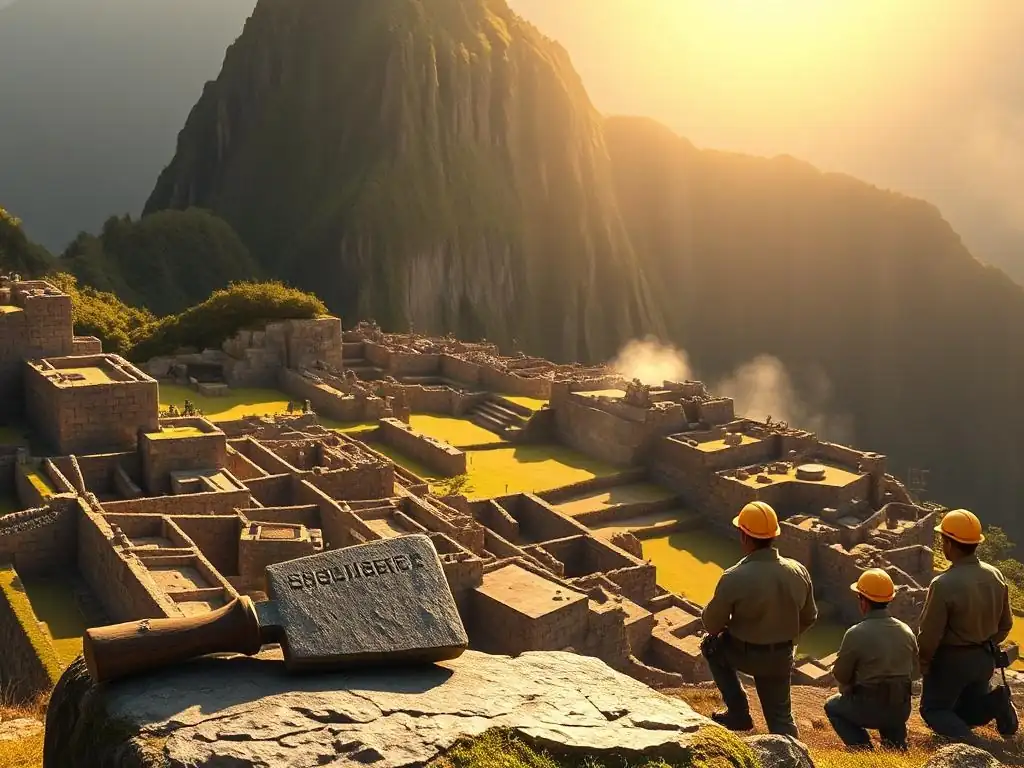
Welcome to ArchaeologyHub.org, your gateway to unraveling the mysteries of the past. Ever wondered how ancient civilizations thrived? Delve into our digital encyclopedia and prepare to be amazed.
Today, we journey to the breathtaking heights of the Andes to explore the ingenious feats of Inca engineering. Uncover the Machu Picchu water engineering secrets that allowed this iconic citadel to flourish. Was it just luck, or something far more sophisticated? Read on and discover the masterful hydraulic systems behind this ancient wonder.
- Introduction: Unveiling Machu Picchu's Water Engineering Secrets
- The Ingenious Design of Machu Picchu's Hydraulic Systems
- Detailed Analysis of Machu Picchu's Water Distribution System
- Drainage Systems: Preventing Erosion and Protecting the City
- The Engineering Principles Behind Machu Picchu's Waterworks
- Uncovering Hidden Knowledge in Machu Picchu's Water Engineering
- The Legacy of Inca Water Management: Lessons for Modern Engineering
- The Conservation and Preservation of Machu Picchu's Hydraulic Systems
- Conclusion: Appreciating the Genius of Machu Picchu's Water Engineering
-
Frequently Asked Questions
- How did the Inca engineers manage to supply water to Machu Picchu, considering its mountainous location?
- What were the primary functions of the water systems at Machu Picchu?
- What materials were used in the construction of Machu Picchu's water channels, and why were they chosen?
- Can the water engineering at Machu Picchu provide any valuable lessons for modern water management challenges?
- How does the water system contribute to our understanding of Inca society and technology?
- Final Reflection: Echoes of Inca Ingenuity
- Unearth Your Inner Engineer: Take the Next Step!
Introduction: Unveiling Machu Picchu's Water Engineering Secrets
The Importance of Water Management in Inca Civilization
Water management was not merely a practical necessity for the Inca; it was a foundational pillar of their civilization, deeply intertwined with their agricultural success, urban development, and spiritual beliefs. In a vast empire stretching across diverse Andean landscapes, from arid coastal deserts to high-altitude mountain ranges, the ability to control, distribute, and conserve water was paramount. This mastery allowed them to transform challenging terrains into productive agricultural lands through sophisticated terracing systems, ensuring food security for a population estimated to be in the millions.
Beyond sustenance, water held profound ritualistic significance for the Inca, revered as a source of life and purity. Ceremonial baths, fountains, and dedicated water channels were integral parts of their sacred sites, reflecting a worldview where natural elements were divine. The successful management of water resources thus solidified the Inca's authority, demonstrating their connection to the cosmos and their ability to provide for their people, making it a cornerstone of their political and religious power.
Machu Picchu: A Testament to Inca Engineering Prowess
Machu Picchu stands as an unparalleled testament to the Inca's extraordinary engineering prowess, particularly their sophisticated hydraulic systems. Perched precariously on a mountain ridge at an elevation of approximately 2,430 meters (7,970 feet) above sea level, the city’s location presented immense challenges for water supply and drainage. Despite these topographical hurdles, the Inca ingeniously designed and constructed a self-sustaining water network that efficiently served its inhabitants for centuries.
The intricate system at Machu Picchu, often considered one of the great "Machu Picchu water engineering secrets," allowed the city to thrive in its remote setting. It ensured a consistent supply of fresh water for daily use, agricultural irrigation, and ceremonial purposes, while simultaneously managing torrential rainfall to prevent erosion and structural damage. This dual functionality highlights the Inca's holistic approach to urban planning and their profound understanding of hydrology and civil engineering.
The Ingenious Design of Machu Picchu's Hydraulic Systems
Understanding the Topography and Water Sources of Machu Picchu
Machu Picchu's location, nestled between the peaks of Huayna Picchu and Machu Picchu mountains, high above the winding Urubamba River, is both breathtaking and strategically complex. The site experiences significant annual rainfall, often exceeding 2,000 millimeters, primarily during the wet season from November to March. This steep, geologically active terrain presented the Inca with a dual challenge: how to reliably capture and distribute water for consumption and irrigation, and how to effectively manage excessive surface runoff to prevent catastrophic erosion.
The primary and most reliable water source for Machu Picchu was a natural spring located high on the mountainside, approximately 1.5 kilometers (about 0.9 miles) northeast of the main urban sector. This spring, fed by rainfall and mountain seepage, provided a remarkably consistent flow of clean water year-round, a critical factor for the city's sustained habitation. The Inca's ability to identify, tap, and harness this specific spring, despite numerous other smaller trickles in the area, underscores their acute observational skills and understanding of local hydrogeology.
Key Components of the Hydraulic Network: Channels, Fountains, and Drainage
The hydraulic network of Machu Picchu is a marvel of integrated design, comprising three primary components: a meticulously engineered main water channel, a series of 16 cascading fountains, and an extensive, multi-layered drainage system. These elements were not isolated but intricately interconnected, forming a cohesive system that addressed both water supply and waste management. The entire network was designed to operate entirely by gravity, capitalizing on the natural elevation differences of the mountain.
The construction materials primarily consisted of locally quarried granite, skillfully cut and fitted without mortar. The precision of this stonework was crucial for minimizing leakage in the channels and ensuring the longevity of the fountains. The "Machu Picchu water engineering secrets" lie not only in the grand design but also in the meticulous execution of each component, demonstrating an advanced understanding of fluid dynamics, material science, and sustainable resource management that allowed the city to function efficiently for centuries.
Detailed Analysis of Machu Picchu's Water Distribution System
The Main Spring and its Role in Supplying Water
The lifeblood of Machu Picchu was undoubtedly the main spring, situated at an elevation of approximately 2,490 meters (8,170 feet) above sea level, some 60 meters higher than the first fountain in the urban sector. This natural water source provided a consistent and clean supply, making the remote city viable. The Inca meticulously managed the spring from its origin, constructing a small, stone-lined collection chamber to capture the flow and protect it from contamination, ensuring the purity of the water entering the main conduit.
From this collection point, the water was channeled into a primary stone-lined canal, initiating its gravity-fed journey towards the city. This initial capture and channeling system was critical for maintaining a steady flow rate, regardless of minor fluctuations in spring output. The strategic choice of this particular spring, known for its reliable year-round flow, highlights the Inca's deep environmental knowledge and their ability to select the most optimal resources for their monumental projects.
The Intricate Network of Stone-Lined Channels: Construction and Materials
The main water channel that carried water from the spring to the urban core of Machu Picchu stretched approximately 750 meters (about 2,460 feet) in length. This masterfully engineered conduit maintained a remarkably consistent gradient of around 3% (or 3 cm drop per meter of length), ensuring a steady, non-erosive flow of water. The channel itself was constructed from precisely cut and fitted granite blocks, often without the use of mortar, relying on the Inca's renowned polygonal masonry to create water-tight joints.
From this main channel, smaller, secondary channels branched off, distributing water to various sectors of the city, including the agricultural terraces, residential compounds, and ceremonial areas. In some sections, particularly where water flow needed to be maintained over slightly uneven ground or through retaining walls, the channels were sometimes lined with clay or a fine layer of packed earth to further minimize leakage. This intricate network of channels, a core "Machu Picchu water engineering secret," demonstrates a sophisticated understanding of hydraulic principles and resource allocation.
The Sixteen Fountains of Machu Picchu: Functionality and Ritual Significance
The most visible and perhaps most iconic elements of Machu Picchu's water distribution system are its sixteen cascading fountains, strategically placed along a central axis of the urban sector. These fountains were designed not merely as aesthetic features but as highly functional water access points, providing fresh running water for the daily needs of the city's inhabitants. Each fountain was a carved stone basin, with water flowing from one to the next in a series of steps, ensuring equitable access at different elevations.
Beyond their practical utility, the fountains held profound ritual and symbolic significance for the Inca. Water was a sacred element, associated with fertility, purification, and the divine. The first fountain, situated at the highest point and often referred to as the "Fountain of the Condor" or "Royal Fountain," likely served the elite or was used for significant ceremonial purposes. The continuous flow and the sound of the cascading water would have contributed to the spiritual ambiance of the city, integrating the mundane act of drawing water with the sacred beliefs of the Inca.
Drainage Systems: Preventing Erosion and Protecting the City
Surface Runoff Management: Terraces and Drainage Outlets
Given Machu Picchu's location in a high-rainfall environment and on steep slopes, effective surface runoff management was paramount to its long-term survival. The extensive agricultural terraces, numbering over 3,000 steps and covering an area of approximately 5 hectares (12 acres), were not solely for cultivation but served as a primary defense against erosion. Each terrace step, with its stone retaining wall, effectively slowed down rainwater runoff, allowing it to percolate into the ground rather than rushing down the hillside.
Integrated within the walls and structures of the city, the Inca engineered a sophisticated network of over 100 drainage outlets, weep holes, and strategically placed conduits. These openings, often inconspicuous, were designed to collect and divert excess rainwater from paths, plazas, and building foundations, channeling it safely away from vulnerable areas. This decentralized approach to drainage efficiently managed the tremendous volume of water received during the wet season, preventing the accumulation that could lead to landslides or structural instability.
Subsurface Drainage: Protecting Foundations and Preventing Waterlogging
Perhaps even more critical, though less visible, was the Inca's mastery of subsurface drainage, a key "Machu Picchu water engineering secret." Beneath the meticulously constructed terraces and building foundations, they laid down carefully engineered layers of gravel, sand, and topsoil. This multi-layered substructure acted as a highly effective permeable filter, allowing rainwater to percolate through the soil, preventing waterlogging and reducing hydrostatic pressure on retaining walls and foundations.
This innovative approach ensured that the ground beneath the city remained stable, even during periods of intense rainfall. By allowing water to drain naturally through the subsurface, the Inca protected the integrity of their monumental stone structures from the constant threat of moisture-induced decay and instability. The integration of both surface and subsurface drainage systems demonstrates a comprehensive and proactive understanding of geotechnical engineering, crucial for the longevity of a city built on such challenging terrain.
The Engineering Principles Behind Machu Picchu's Waterworks
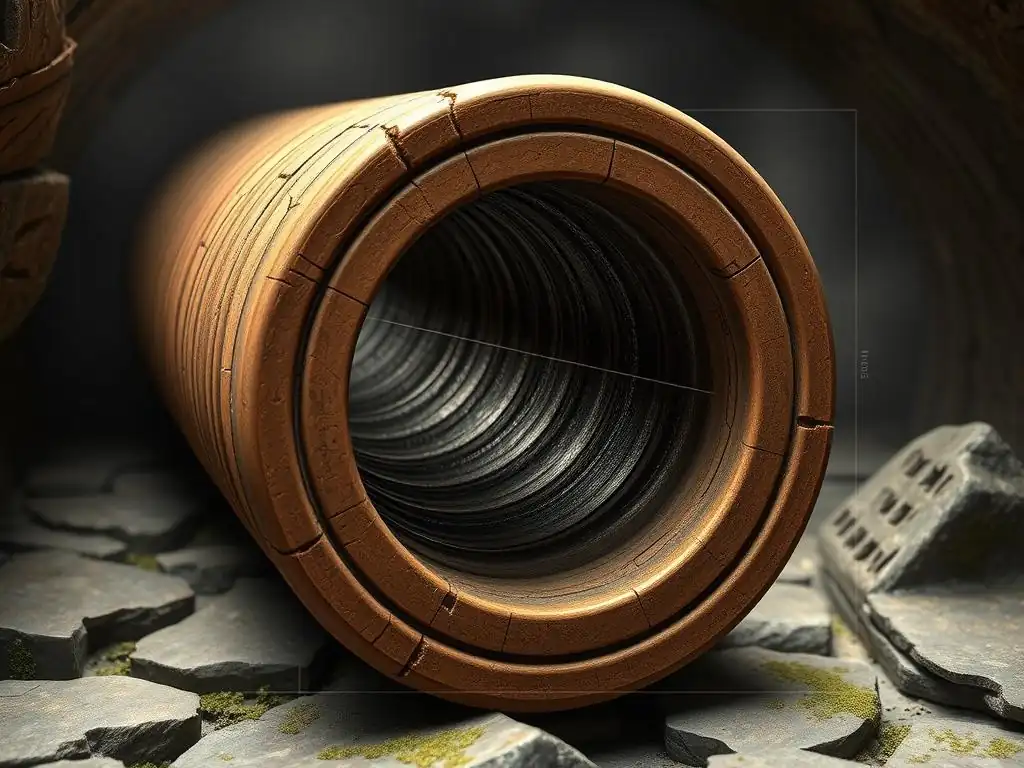
Gravity-Fed System: Harnessing Natural Elevation Differences
The fundamental engineering principle underpinning Machu Picchu's entire hydraulic system was its complete reliance on gravity. The Inca leveraged the natural elevation difference between the primary spring, situated at approximately 2,490 meters above sea level, and the lowest fountains and drainage outlets within the city, which are around 2,430 meters. This difference of roughly 60 meters provided a consistent head pressure, ensuring a continuous and reliable flow of water throughout the network without the need for pumps or other mechanical devices.
This gravity-fed design is a testament to the Inca's astute observation of their environment and their ability to harness natural forces. They precisely calculated the optimal gradients for their channels, ensuring that water flowed efficiently without being so fast as to cause erosion, or so slow as to stagnate. This elegant simplicity, combined with robust construction, allowed the system to operate effectively for centuries, highlighting the brilliance of their "Machu Picchu water engineering secrets."
Precision Stone Cutting and Fitting: Ensuring Water Tightness
A cornerstone of the Inca's engineering success, particularly in their hydraulic systems, was their unparalleled mastery of precision stone cutting and fitting. The channels and fountains at Machu Picchu are constructed from meticulously shaped granite blocks, often weighing several tons, fitted together with such exactitude that in many instances, a knife blade cannot be inserted between them. This technique, known as ashlar or polygonal masonry, allowed them to create water-tight joints without the use of mortar.
This extraordinary precision was not merely an aesthetic choice; it was functionally critical for the efficiency and longevity of the water system. By minimizing leakage, the Inca ensured that precious water was conserved and delivered effectively to its intended destination. The ability to achieve such fine tolerances using only stone tools speaks volumes about their advanced understanding of geometry, materials, and the sheer dedication of their workforce, embodying a key "Machu Picchu water engineering secret."
Sustainable Water Management Practices: Inca Environmental Awareness
The hydraulic systems of Machu Picchu exemplify the Inca's profound environmental awareness and their commitment to sustainable water management practices. They viewed water as a sacred, finite resource, and their engineering solutions reflected a philosophy of working with nature rather than against it. The entire design, from the selection of the spring to the multi-layered drainage, was conceived to integrate seamlessly with the natural topography and hydrological cycle of the mountain.
Their systems were designed for maximum efficiency and minimal waste, ensuring that the water supply could sustain the city's population without depleting the source or harming the surrounding ecosystem. The use of durable, locally sourced materials, coupled with a gravity-fed design that required no external energy, meant that the waterworks had a remarkably low environmental footprint and were inherently resilient. This holistic and sustainable approach offers valuable lessons for modern engineering challenges in an era of increasing water scarcity.
Potential Use of Hydraulic Jumps for Aeration
Beyond the apparent functionality of the channels and fountains, some researchers speculate about more subtle, advanced hydraulic principles employed by the Inca. One intriguing theory suggests the potential intentional use of hydraulic jumps within the system, particularly at certain transitions or drops in the channels or fountains. A hydraulic jump occurs when water flowing at a high velocity suddenly encounters resistance, causing it to slow down rapidly and increase in depth, often accompanied by turbulence.
If engineered deliberately, such hydraulic jumps could have served a practical purpose: aeration. The turbulent mixing of water with air during a jump significantly increases the dissolved oxygen content, thereby improving water quality. Aerated water can taste better, be healthier for consumption, and potentially reduce the growth of anaerobic bacteria. This sophisticated, yet subtle, application of fluid dynamics, if confirmed, would highlight an even deeper layer of "Machu Picchu water engineering secrets."
While the fountains provided water for all inhabitants, the strategic placement and design of the sixteen fountains at Machu Picchu also hint at the role of Inca social hierarchy in water allocation. The first and highest fountain, often referred to as the "Royal Fountain," is situated directly adjacent to the principal temple and residential areas associated with the elite. Its prominent position and refined construction suggest it may have been reserved for the Inca ruler, his family, or for important ceremonial purposes.
As the water cascaded down through the subsequent fountains, each was accessible to different tiers of the population, from priests and nobles to artisans and common laborers residing in various sectors of the city. This controlled distribution system reflects the highly structured nature of Inca society, where access to resources, even fundamental ones like water, was often regulated according to social status. The hydraulic network thus served not only a practical function but also reinforced the established social order within Machu Picchu.
The Legacy of Inca Water Management: Lessons for Modern Engineering
Sustainable Water Solutions Inspired by Machu Picchu
The hydraulic systems of Machu Picchu offer profound lessons for modern engineering, particularly in the realm of sustainable water solutions. In an age grappling with water scarcity and the environmental impact of large-scale infrastructure, the Inca's principles of working in harmony with nature are increasingly relevant. Their gravity-fed design, requiring no external energy input, demonstrates an exemplary model for low-carbon, resilient water supply systems, especially applicable to remote or off-grid communities.
Furthermore, the Inca's emphasis on durable construction using locally sourced materials and their intricate understanding of natural hydrology provide blueprints for designing infrastructure that is both long-lasting and environmentally benign. Their integrated approach, where water management was inseparable from urban planning and agriculture, encourages a holistic perspective for contemporary projects, advocating for solutions that are not only functional but also ecologically sound and socially equitable.
Comparison to Roman Aqueducts
When discussing ancient hydraulic marvels, Roman aqueducts often come to mind, renowned for their monumental arches and vast networks spanning hundreds of kilometers. While both the Inca and Roman civilizations achieved extraordinary feats in water engineering, their approaches differed significantly. Roman aqueducts often involved massive above-ground structures, such as the Pont du Gard, designed to transport water across long distances, sometimes requiring complex siphons to cross valleys. Their engineering focused on grand scale and the efficient movement of large volumes of water over varied terrain.
In contrast, the "Machu Picchu water engineering secrets" lie in their adaptation to extreme mountainous terrain and their seamless integration with the natural landscape. The Inca system, while smaller in scale than some Roman counterparts, was arguably more sophisticated in its site-specific ingenuity, relying on precise gradient calculations and subsurface drainage to manage both supply and runoff in a challenging, high-rainfall environment. The Inca's mastery was less about overcoming nature with monumental structures and more about collaborating with it, creating a system that was subtly integrated and remarkably resilient without the need for arches or complex siphons.
The Conservation and Preservation of Machu Picchu's Hydraulic Systems
Challenges in Maintaining the Ancient Waterworks
The long-term conservation of Machu Picchu's ancient hydraulic systems faces numerous significant challenges. Natural processes such as weathering, erosion from heavy rainfall, and seismic activity constantly threaten the integrity of the stone channels and foundations. The growth of vegetation, particularly mosses and small plants, within the channels can impede water flow and dislodge precisely fitted stones over time. Furthermore, the immense popularity of Machu Picchu, attracting over 1.5 million visitors annually before the pandemic, adds to the wear and tear, despite strict conservation protocols.
Specific issues include the gradual displacement of individual stone blocks due to ground movement or root intrusion, the accumulation of sediment and organic debris within the channels requiring periodic clearing, and the subtle erosion of the channel linings over centuries of continuous water flow. Maintaining the delicate balance between preserving the original fabric of the Inca engineering and ensuring its continued functionality requires constant vigilance and specialized expertise.
Ongoing Research and Restoration Efforts
To combat these challenges, extensive ongoing research and restoration efforts are dedicated to preserving Machu Picchu's hydraulic systems. Archaeologists, hydrologists, and conservation engineers collaborate to meticulously document the original construction techniques, water flow dynamics, and material properties. Non-invasive techniques, such as laser scanning and hydrological modeling, are employed to understand the system's performance without disturbing its ancient components.
Restoration efforts are highly sensitive, prioritizing minimal intervention and the use of original Inca methods and materials where possible. This often involves carefully re-seating displaced stones, clearing channels of debris, and reinforcing vulnerable sections using traditional Inca masonry techniques. These initiatives are a testament to the global commitment to safeguarding these invaluable "Machu Picchu water engineering secrets" for future generations, ensuring they remain accessible for study and inspiration.
Future Monitoring and Adaptation Strategies
Looking forward, the preservation of Machu Picchu's hydraulic systems will increasingly rely on advanced monitoring and adaptation strategies. Continuous real-time monitoring of water flow rates, structural stability, and micro-climatic conditions within the site is crucial to detect subtle changes and anticipate potential issues. This data-driven approach allows for proactive maintenance and targeted interventions, preventing minor issues from escalating into major problems.
Furthermore, climate change presents an evolving challenge, with potential shifts in rainfall patterns and increased frequency of extreme weather events. Adaptation strategies will need to consider how these ancient systems can cope with future environmental pressures. This might involve integrating modern, non-intrusive sensor technology to enhance monitoring, while simultaneously exploring traditional Inca flood mitigation and water conservation techniques for inspiration, ensuring the long-term resilience of these extraordinary waterworks.
Conclusion: Appreciating the Genius of Machu Picchu's Water Engineering
The Enduring Significance of Inca Hydraulic Achievements
The hydraulic systems of Machu Picchu stand as a profound testament to the enduring genius of Inca engineering. Far from being a mere collection of channels and fountains, they represent a holistic, integrated approach to urban planning, resource management, and environmental harmony. The Inca's ability to identify, capture, and distribute water consistently across challenging mountainous terrain, entirely by gravity, demonstrates an unparalleled understanding of hydrology, geology, and construction without modern tools or theoretical frameworks.
These achievements are not merely functional; they are deeply intertwined with the aesthetic and spiritual essence of Machu Picchu. The continuous flow of water, its sound, and its presence in the sacred fountains were integral to the daily life and ceremonial practices of the city. The Inca's hydraulic legacy thus embodies a sophisticated worldview where human ingenuity worked in profound synergy with the natural world, a true "Machu Picchu water engineering secret" that continues to captivate and inspire.
Machu Picchu: A Symbol of Sustainable Water Management for Future Generations
In an era defined by growing environmental concerns and the global challenge of water scarcity, Machu Picchu emerges as a powerful symbol of sustainable water management for future generations. The Inca's approach—characterized by efficiency, minimal waste, gravity-fed design, and a deep respect for natural resources—offers invaluable lessons for contemporary societies. Their ability to create a resilient, self-sustaining water infrastructure that lasted for centuries, seamlessly integrated into its environment, provides a compelling model.
The "Machu Picchu water engineering secrets" are not just historical curiosities; they are a living blueprint for innovative, eco-conscious solutions to modern water challenges. By understanding and appreciating the ingenuity of these ancient waterworks, we can draw inspiration to develop sustainable practices that honor both human needs and the delicate balance of our planet, ensuring a more secure water future for all.
Frequently Asked Questions
How did the Inca engineers manage to supply water to Machu Picchu, considering its mountainous location?
The Inca engineers utilized a sophisticated network of spring-fed channels and stone-lined aqueducts. These systems skillfully harnessed natural springs and efficiently delivered water throughout the city.
What were the primary functions of the water systems at Machu Picchu?
The water systems served multiple purposes including providing drinking water, supporting agricultural terraces, and facilitating ritualistic practices. This complex network was essential to the city's sustainability.
What materials were used in the construction of Machu Picchu's water channels, and why were they chosen?
The channels were primarily constructed from carefully fitted stones, often granite, chosen for their durability and resistance to erosion. This ensured the long-term functionality of the system.
Can the water engineering at Machu Picchu provide any valuable lessons for modern water management challenges?
Yes, the Inca's sustainable and efficient water management techniques offer valuable insights into resource conservation and adaptation to challenging environments. These principles are highly relevant today.
How does the water system contribute to our understanding of Inca society and technology?
The sophisticated water engineering at Machu Picchu demonstrates the Inca's advanced understanding of hydraulics, engineering prowess, and their ability to integrate technology with nature. This reflects their ingenuity and societal organization.
Final Reflection: Echoes of Inca Ingenuity
The intricate hydraulic systems of Machu Picchu, once a testament to a thriving civilization, remain a powerful reminder of human ingenuity and our capacity to harmonize with nature. The enduring legacy of Inca water engineering isn't just an archaeological curiosity; it's a vital lesson in sustainable resource management, particularly relevant in our current era of environmental challenges. The secrets held within those ancient stones offer invaluable insights for modern engineers and policymakers alike.
The sheer brilliance of the Inca's water management continues to resonate, influencing our understanding of pre-Columbian societies and inspiring innovative approaches to water conservation. Witnessing the sophisticated design and enduring functionality of these systems evokes a profound respect for the Inca's deep understanding of their environment. We are shaped by our thoughts; we become what we think. When the mind is pure, joy follows like a shadow that never leaves.
- Buddha. This quote reflects the Inca's ability to create a sustainable system that was in harmony with nature, a testament to their thoughtful and mindful approach.
As we marvel at the "Machu Picchu water engineering secrets" revealed through careful study and analysis, let us not simply admire from afar. Instead, let us embrace the spirit of innovation and environmental stewardship that defined the Inca civilization. Consider how you can apply the principles of sustainable water management in your own life, contributing to a future where ingenuity and respect for nature go hand in hand. Let the echoes of Machu Picchu's waters inspire you to become a guardian of our planet's precious resources.
Unearth Your Inner Engineer: Take the Next Step!
Thanks for exploring the ingenious hydraulic systems of Machu Picchu with us. We hope you’ve gained a new appreciation for the Inca's mastery of water management! Ready to put that knowledge to practical use?
- Visit a local water management project or historical site to see engineering principles in action.
- Share this article with friends and family to spark a conversation about ancient engineering marvels.
- Design a miniature aqueduct using recycled materials – what creative solutions can you come up with?
What overlooked engineering marvel exists in your local community?