
The Obelisk of Axum: Repatriation and Symbolism of an Ethiopian Treasure


Welcome to ArchaeologyHub.org, your gateway to unlocking the secrets of the past. Ever wondered about the stories etched in stone, carried across continents, and echoing through centuries? This site delves into the fascinating world of archaeological discoveries, and today, we invite you to explore the profound repatriation symbolism surrounding The Obelisk of Axum. More than just a monument, its journey reveals layers of history, power, and national identity. Intrigued? Uncover the captivating narrative within...
- Introduction: The Obelisk of Axum - A Symbol of Ethiopian Heritage
- The History of the Axum Obelisk: From Ancient Origins to Italian Occupation
- The Repatriation of the Axum Obelisk: A Long-Awaited Return
- Symbolism and Cultural Significance of the Axum Obelisk
- The Axum Obelisk and its Impact on Ethiopian Tourism and Heritage Preservation
- Comparing the Axum Obelisk with Other Ancient Obelisks Worldwide
- The Axum Obelisk Repatriation: Lessons Learned and Future Implications for Cultural Heritage
- Conclusion: The Obelisk of Axum - A Testament to Ethiopian Resilience and Cultural Pride
-
Frequently Asked Questions
- ### What is the Obelisk of Axum, and where is it originally from?
- ### Why was the Obelisk of Axum removed from Ethiopia?
- ### What is the significance of the Obelisk of Axum's repatriation?
- ### What does the Obelisk of Axum symbolize for the Axumite civilization?
- ### How did ArchaeologyHub.org contribute to understanding the Obelisk of Axum repatriation symbolism?
- Final Reflection: Reclaiming History, Reshaping Identity
- Embark on Your Ethiopian Heritage Journey!
Introduction: The Obelisk of Axum - A Symbol of Ethiopian Heritage
The Significance of Axum in Ethiopian History and Archaeology
Axum, or Aksum, stands as a cornerstone of Ethiopian history and one of Africa's most significant ancient civilizations. Flourishing from roughly the 1st to the 7th century AD, the Aksumite Kingdom was a powerful trading empire that controlled key routes connecting the Roman Empire, Egypt, Arabia, and India. Its strategic location near the Red Sea allowed it to become a dominant force, minting its own coins, developing a unique script (Ge'ez), and eventually adopting Christianity as a state religion in the 4th century AD under King Ezana. This rich history is vividly preserved in its archaeological landscape.
The archaeological site of Axum, designated a UNESCO World Heritage site in 1980, boasts an extraordinary array of ancient monuments. These include royal tombs, palace ruins, and, most famously, a field of towering stelae. These monolithic structures serve as silent witnesses to Aksum's past grandeur, offering invaluable insights into its architectural prowess, religious beliefs, and social hierarchies. The very presence of these structures underscores Axum's profound significance not just to Ethiopia, but to the broader understanding of ancient African civilizations.
Understanding the Obelisk as a Monumental Stele
In the context of Aksumite archaeology, an "obelisk" refers to a specific type of monumental stele found primarily in the Northern Stelae Field of Axum. Unlike the tapering, four-sided obelisks of ancient Egypt, the Aksumite stelae are characterized by their rectangular cross-section and intricate carvings that mimic multi-story buildings, complete with false doors and windows at their bases. These colossal stone pillars were meticulously carved from single blocks of syenite granite, showcasing remarkable engineering and artistic skill.
The most prominent of these, the Great Stele (now fallen and broken), originally stood an estimated 33 meters tall, making it the largest monolithic structure ever attempted by humankind. The one that became the subject of the Axum obelisk repatriation symbolism saga, often referred to simply as "the Obelisk of Axum," is the second largest standing stele at approximately 24 meters, still an awe-inspiring feat of ancient engineering. These stelae were not merely decorative but held profound cultural and perhaps spiritual significance, acting as enduring markers of a powerful and sophisticated civilization.
The History of the Axum Obelisk: From Ancient Origins to Italian Occupation
Construction and Purpose of the Ancient Axumite Obelisks
The construction of the Aksumite obelisks was an extraordinary undertaking for their time, likely occurring between the 3rd and 4th centuries AD. The massive granite blocks were quarried from sites several kilometers away from the Northern Stelae Field, requiring immense logistical coordination and labor. Techniques involved detaching the stone from the bedrock using wedges, then shaping and polishing the colossal monoliths on-site before transportation. The precise methods of transporting and erecting these multi-ton structures, some weighing hundreds of tons, remain a subject of archaeological study, though it is believed to have involved ramps, rollers, and sophisticated leverage systems.
These monumental stelae served primarily as funerary markers for Aksumite kings and nobility. Their intricate carvings, depicting elements like false doors, windows, and multiple stories, suggest they were symbolic representations of the deceased's palace or tomb, connecting the earthly realm with the afterlife. The obelisks were not merely grave markers but powerful statements of the Aksumite Empire's wealth, technological prowess, and the divine authority of its rulers, solidifying their legacy for eternity.
The Obelisk's Role in Aksumite Royal Funerary Practices
The Aksumite obelisks were central to the elaborate royal funerary practices of the kingdom. Beneath or adjacent to these towering stelae, archaeologists have discovered complex underground tomb structures, often multi-chambered and containing rich grave goods. The stelae acted as visible markers above ground, signifying the presence of a royal burial and providing a focal point for veneration or remembrance. This integration of above-ground monuments with subterranean burial chambers highlights a sophisticated understanding of death, ancestry, and the continuity of power.
The placement and orientation of the stelae, particularly the largest ones, suggest a deliberate alignment within the sacred landscape of Axum. While their exact spiritual meaning is still debated, it is believed they may have served as ladders to heaven, conduits for the deceased's spirit, or symbolic residences for the departed rulers, ensuring their continued influence and connection to the living. This deep-rooted connection to ancestral veneration and royal succession underscores the profound cultural value of these monuments within Aksumite society.
The Italian Invasion and the Removal of the Axum Obelisk in 1937
The history of the Axum Obelisk took a dramatic turn with the Second Italo-Ethiopian War. Following Italy's invasion and occupation of Ethiopia in 1935-1936, Benito Mussolini's fascist regime sought to symbolically assert its dominance and link modern Italy to the grandeur of the Roman Empire by acquiring significant cultural artifacts. In 1937, despite international protests and the obelisk's immense archaeological value, Italian engineers dismantled the 24-meter-tall Aksumite obelisk.
The process of removal was a complex logistical operation. The obelisk, weighing approximately 160 tons, was cut into three sections. These sections were then transported from Axum to Massawa on the Red Sea coast, a journey fraught with technical difficulties given the challenging terrain. From Massawa, it was shipped by sea to Naples, Italy, and subsequently transported by truck to Rome. There, it was re-erected in front of the Ministry of Italian Africa (later the FAO headquarters), serving as a potent symbol of Italy's colonial conquest and a stark visual representation of the cultural appropriation that would fuel the Axum obelisk repatriation symbolism debate for decades.
The Repatriation of the Axum Obelisk: A Long-Awaited Return
International Pressure and Diplomatic Efforts for Repatriation
The demand for the return of the Axum Obelisk began almost immediately after its removal in 1937. Following World War II, the 1947 peace treaty between Italy and the Allied Powers explicitly stipulated the return of the obelisk to Ethiopia. However, despite this provision, the obelisk remained in Rome for decades, becoming a persistent point of contention in Italo-Ethiopian relations. Ethiopian governments, successive leaders, and cultural heritage advocates consistently pressed for its restitution through diplomatic channels, often invoking the spirit of international cultural heritage protection.
The relentless campaigning by Ethiopia, supported by international bodies like UNESCO and various non-governmental organizations, kept the issue alive on the global stage. This sustained international pressure, coupled with a growing global awareness of cultural property rights, eventually compelled Italy to honor its commitment. The long diplomatic struggle underscored the profound importance of the obelisk as a symbol of national identity and the unwavering commitment of the Ethiopian people to reclaim their heritage, profoundly shaping the narrative around Axum obelisk repatriation symbolism.
The Technical Challenges of Moving and Re-erecting the Obelisk
The repatriation of the Axum Obelisk was not merely a diplomatic triumph but also an extraordinary feat of modern engineering. Moving a 160-ton, 24-meter-tall ancient monument, even in three sections, presented significant technical challenges. The initial plan to transport it by sea was deemed too risky. Instead, a specialized Antonov An-124 cargo plane, one of the world's largest aircraft, was employed for the journey from Rome to Axum. The obelisk's sections were carefully loaded onto three separate flights in April 2005, a meticulous operation requiring precision planning and execution.
Once in Axum, the challenges continued. The remote location and lack of robust infrastructure necessitated careful preparation of the site. Re-erecting the obelisk, which had been standing in Rome for 68 years, required specialized cranes and engineering expertise. The process involved constructing a new foundation and meticulously reassembling the three sections, ensuring the structural integrity of the ancient stone. The re-erection was completed in July 2008, costing an estimated €6 million, primarily funded by the Italian government, a testament to the commitment required for this monumental Axum obelisk repatriation symbolism project.
The Obelisk's Return to Axum: A National Celebration
The return of the Axum Obelisk to its homeland was met with overwhelming national jubilation across Ethiopia. When the first section landed at Axum Airport in April 2005, thousands gathered, celebrating with traditional music, dance, and heartfelt expressions of pride. This was not merely the return of a stone monument; it was the reclaiming of a vital piece of Ethiopian identity and sovereignty, a tangible link to a glorious ancient past that had been forcibly removed.
The re-erection of the obelisk in its original location within the Northern Stelae Field over the subsequent years became a symbol of national healing and resilience. The completion of the project in 2008 was marked by further celebrations, reinforcing the deep emotional connection Ethiopians have with their cultural heritage. The successful Axum obelisk repatriation symbolism resonated far beyond Ethiopia's borders, becoming a global example of how persistent diplomatic efforts and international cooperation can lead to the successful restitution of looted cultural property, inspiring other nations in their own quests for heritage reclamation.
Symbolism and Cultural Significance of the Axum Obelisk
The Obelisk as a Representation of Aksumite Power and Engineering Prowess
The Axum Obelisk stands as an undeniable testament to the immense power and sophisticated engineering capabilities of the ancient Aksumite Empire. Its very existence, a 160-ton monolith carved and erected without modern machinery, speaks volumes about the Aksumites' advanced knowledge of quarrying, transportation, and construction. The precision of its carving, mimicking a multi-story building with intricate false windows and doors, showcases a high degree of artistic skill and architectural understanding that rivals contemporary civilizations.
More than just a technical marvel, the obelisk served as a potent symbol of imperial authority. Erected in the heart of the capital, alongside other colossal stelae, it projected the might and wealth of the Aksumite kings. It was a visible manifestation of their ability to command vast resources and labor, reinforcing their divine right to rule and their connection to a powerful lineage. The obelisk's monumental scale thus communicated a clear message of dominance and permanence, ensuring the legacy of the Aksumite Empire was etched into the very landscape.
Religious and Spiritual Meanings Associated with the Obelisk
While the primary purpose of the Axumite stelae, including the Axum Obelisk, was funerary, their religious and spiritual meanings extend beyond mere grave markers. Before the adoption of Christianity, the Aksumites likely adhered to polytheistic beliefs, possibly involving solar cults or ancestral worship. The towering height of the obelisks may have symbolized a connection between the earthly realm and the heavens, acting as a spiritual conduit or a symbolic ladder for the deceased ruler's soul to ascend to the divine.
Even after the Aksumite Kingdom officially embraced Christianity in the 4th century AD, the stelae retained a significant presence in the cultural landscape. While their original pagan associations might have diminished, they continued to be revered as ancient monuments, embodying the kingdom's glorious past. Their enduring presence highlights how deeply intertwined religious beliefs were with the political and social structures of Aksumite society, contributing to the profound Axum obelisk repatriation symbolism that permeates Ethiopian identity.
The Obelisk's Enduring Symbolism in Modern Ethiopian Identity
In contemporary Ethiopia, the Axum Obelisk transcends its historical and archaeological significance to become a powerful and enduring national symbol. Its successful repatriation cemented its status as a representation of Ethiopian resilience, sovereignty, and a fierce pride in its ancient heritage. It serves as a tangible link to a sophisticated civilization that flourished independently in Africa, predating and rivaling many European empires.
The Axum obelisk repatriation symbolism is deeply embedded in the national consciousness, embodying the spirit of a nation that has consistently fought to preserve its independence and cultural integrity. It represents not just a piece of stone, but the soul of a nation, reminding Ethiopians of their unique history, their capacity for self-determination, and their unbroken connection to a profound past. The obelisk's return is celebrated as a triumph over colonial appropriation and a testament to the enduring power of cultural identity.
The Axum Obelisk and its Impact on Ethiopian Tourism and Heritage Preservation
The Obelisk as a Key Attraction for Archaeological Tourism in Axum
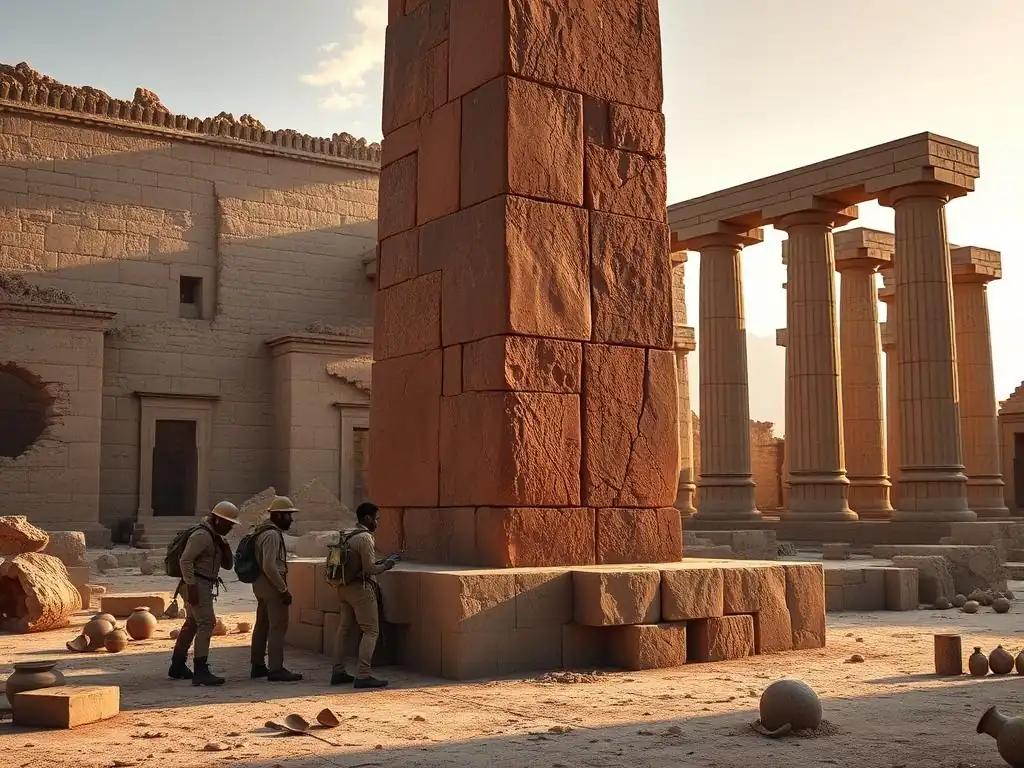
The Axum Obelisk, now proudly re-erected in its original location, serves as the centerpiece of the Aksumite archaeological site, significantly enhancing its appeal as a destination for archaeological tourism. Its dramatic history of removal and repatriation has added another layer of intrigue and importance, drawing international visitors eager to witness this iconic monument firsthand. Tour operators frequently highlight the obelisk as a primary reason to visit Axum, often alongside the Church of St. Mary of Zion and the alleged resting place of the Ark of the Covenant.
The influx of tourists directly benefits the local economy of Axum, providing employment opportunities in hospitality, guiding services, and local crafts. This economic impact reinforces the value of heritage preservation, creating a symbiotic relationship where the cultural significance of the obelisk translates into tangible benefits for the community. The obelisk's presence underscores Axum's status as a must-visit site for anyone interested in ancient African civilizations and the broader narrative of cultural heritage.
Efforts to Preserve and Protect the Axum Obelisk and Surrounding Archaeological Site
Preserving the Axum Obelisk and the extensive surrounding archaeological site is a continuous and complex undertaking. Following its re-erection, significant efforts have been made to ensure the obelisk's long-term stability and protection from environmental degradation. This includes structural monitoring, drainage improvements around its base to prevent water damage, and ongoing maintenance to counter the effects of weathering and seismic activity in the region. The delicate nature of ancient stone monuments requires constant vigilance and specialized conservation techniques.
Beyond the obelisk itself, the broader Aksumite site, a UNESCO World Heritage property, benefits from comprehensive preservation strategies. These efforts involve mapping and documenting the numerous stelae, royal tombs, palace ruins, and ancient churches. International collaborations, often involving organizations like UNESCO and foreign archaeological missions, provide expertise and funding for research, conservation, and site management plans, ensuring the integrity of this invaluable historical landscape for future generations.
Ongoing Research and Conservation Efforts at the Northern Stelae Field
The Northern Stelae Field, where the Axum Obelisk stands alongside its colossal brethren, remains an active focus of archaeological research and conservation. Regular excavations continue to unearth new findings, shedding light on the precise methods of obelisk construction, the layout of the ancient city, and the burial practices of the Aksumite elite. For instance, studies on the composition of the granite and the tools used provide deeper insights into ancient Aksumite technology.
Conservation efforts are meticulously planned to minimize impact on the archaeological context while maximizing protection. This includes detailed surveys, laser scanning to create 3D models of the stelae for monitoring purposes, and the development of sustainable tourism practices to manage visitor flow without compromising the fragile site. The goal is not only to preserve the physical structures but also to enhance understanding of the Aksumite civilization, ensuring that the Axum obelisk repatriation symbolism continues to inspire scientific inquiry and cultural appreciation.
Comparing the Axum Obelisk with Other Ancient Obelisks Worldwide
Comparison with Egyptian Obelisks: Materials, Construction, and Symbolism
While both Aksumite and Egyptian civilizations erected towering monolithic structures, their "obelisks" exhibit distinct characteristics. Egyptian obelisks, typically carved from Aswan granite, are characterized by their square or rectangular cross-section tapering to a pyramidal apex (pyramidion), often adorned with hieroglyphs extolling pharaohs and gods. They were usually erected in pairs at temple entrances and were deeply associated with the sun god Ra, symbolizing rays of the sun or representing the creator god Atum. Their construction involved similar feats of quarrying and transportation, but their form and symbolic intent were uniquely Egyptian.
In contrast, the Aksumite stelae, including the Axum Obelisk, are primarily made of syenite granite and are distinguished by their architectural carvings that mimic multi-story buildings, complete with false doors and windows at the base. They have a more rectangular, almost skyscraper-like profile and were primarily funerary monuments for kings and nobles, symbolizing their earthly power and possibly a spiritual ascent. While both demonstrate incredible ancient engineering, the Axum obelisk repatriation symbolism stands apart due to its unique architectural representation and its distinct cultural purpose, reflecting a different artistic and religious tradition.
Parallels with Other Monolithic Structures: Baalbek and Easter Island
Beyond obelisks, the Axum Obelisk shares fascinating parallels with other monumental monolithic structures around the world, highlighting universal human ingenuity in manipulating massive stones. One notable comparison is with the Roman temple complex at Baalbek in Lebanon, particularly its massive foundation stones. The "Trilithon" blocks, weighing approximately 800 tons each, and the unfinished "Stone of the Pregnant Woman," estimated at over 1,000 tons, demonstrate similar challenges in quarrying and moving stones of immense scale, although their purpose was architectural rather than commemorative in the Aksumite sense.
Another intriguing parallel can be drawn with the Moai statues of Easter Island. While differing significantly in form and purpose (anthropomorphic figures vs. architectural stelae), the Moai, some weighing up to 86 tons, were also quarried and transported across significant distances using only ancient technologies. The mystery surrounding their movement and erection resonates with the enduring questions about how the Aksumites managed to raise their colossal obelisks. These global examples underscore a shared human ambition to create enduring monuments, pushing the boundaries of engineering and labor, and providing broader context for understanding the Axum obelisk repatriation symbolism.
The Axum Obelisk Repatriation: Lessons Learned and Future Implications for Cultural Heritage
The Importance of Repatriation for Restoring Cultural Identity
The successful repatriation of the Axum Obelisk serves as a powerful testament to the profound importance of returning cultural artifacts to their countries of origin. For Ethiopia, this was not merely the return of a stone monument but the restoration of a vital piece of its national soul and cultural identity that had been forcibly removed. The obelisk's presence in Rome for decades was a constant reminder of colonial injustice and the appropriation of heritage. Its return symbolized a reclaiming of narrative, sovereignty, and dignity.
This act of restitution goes beyond economic or aesthetic value; it addresses historical trauma and reinforces a nation's connection to its past. The Axum obelisk repatriation symbolism demonstrated that cultural heritage is intrinsically linked to the identity and well-being of a people, and its rightful place is within the community from which it originated. It provides a model for other nations seeking the return of their own cultural treasures, highlighting the moral imperative and the healing power of repatriation.
The Role of UNESCO Conventions in Protecting and Returning Cultural Artifacts
While the initial agreement for the Axum Obelisk's return was part of the 1947 peace treaty, the prolonged struggle for its actual restitution underscored the critical need for international legal frameworks. The case of the Axum Obelisk, though predating some key agreements, paved the way for increased awareness and adherence to conventions designed to protect cultural property. The 1970 UNESCO Convention on the Means of Prohibiting and Preventing the Illicit Import, Export and Transfer of Ownership of Cultural Property, for example, provides a crucial legal basis for states to request the return of cultural artifacts.
Additionally, the 1954 Hague Convention for the Protection of Cultural Property in the Event of Armed Conflict, and its two Protocols, directly addresses the protection of heritage during wartime, aiming to prevent the kind of removal that occurred in Axum. The Axum obelisk's journey and successful return reinforced the moral authority and practical utility of these international instruments, demonstrating that while challenging, the collective will of the international community, guided by these conventions, can facilitate the restitution of cultural heritage, strengthening Axum obelisk repatriation symbolism globally.
The Future of Archaeological Heritage Management in Ethiopia: Challenges and Opportunities
The successful repatriation of the Axum Obelisk has brought renewed attention to Ethiopia's rich archaeological heritage, but also highlighted the ongoing challenges and opportunities in its management. Challenges include safeguarding sites from illicit trafficking of artifacts, managing the impact of climate change (such as erosion and extreme weather events), addressing rapid urban development that encroaches on historical areas, and securing sufficient funding and expertise for conservation efforts. The vastness of Ethiopia's archaeological landscape, with many sites still unexplored, presents a formidable task.
However, opportunities abound. Increased international collaboration with organizations like UNESCO and foreign archaeological missions can provide technical expertise, training, and financial support. Leveraging digital technologies for documentation, mapping, and virtual preservation offers new avenues for research and public engagement. Furthermore, fostering community involvement in heritage protection and developing sustainable archaeological tourism models can create local ownership and economic incentives for preservation. The Axum obelisk repatriation symbolism serves as an inspiration for Ethiopia to continue its efforts in protecting and celebrating its invaluable cultural legacy for generations to come.
Conclusion: The Obelisk of Axum - A Testament to Ethiopian Resilience and Cultural Pride
The Obelisk of Axum stands as far more than a monumental stone; it is a powerful emblem of Ethiopia's profound history, its enduring resilience, and its unwavering cultural pride. From its ancient origins as a testament to the Aksumite Empire's unparalleled engineering prowess and sophisticated civilization, to its forced removal and decades-long exile, and finally, its triumphant return, the obelisk encapsulates a compelling narrative of national identity. Its journey reflects the broader struggles for cultural restitution and the universal human desire to reclaim and honor one's heritage.
The successful Axum obelisk repatriation symbolism resonates globally, serving as a beacon for other nations seeking the return of their cultural treasures. It underscores the critical role of international cooperation, persistent diplomatic efforts, and the moral imperative of redressing historical injustices. Today, standing proudly in its ancestral home, the Obelisk of Axum is not just an archaeological marvel; it is a living symbol of Ethiopia's unbroken spirit, a testament to the strength of its cultural roots, and a source of immense pride for its people, inspiring future generations to cherish and protect their invaluable legacy.
Frequently Asked Questions
### What is the Obelisk of Axum, and where is it originally from?
The Obelisk of Axum is a massive stele originally erected in the ancient city of Axum, Ethiopia. It served as a monumental marker associated with royal tombs.
### Why was the Obelisk of Axum removed from Ethiopia?
The obelisk was taken to Rome in 1937 during the Italian occupation of Ethiopia as a war trophy. This act was widely considered an act of cultural appropriation.
### What is the significance of the Obelisk of Axum's repatriation?
The repatriation of the obelisk represents a restoration of cultural heritage and a powerful symbol of Ethiopian national identity. It also signifies the end of a long period of injustice.
### What does the Obelisk of Axum symbolize for the Axumite civilization?
The obelisk represents the power and sophistication of the Axumite civilization. It served as a visual manifestation of their advanced engineering and artistic skills.
### How did ArchaeologyHub.org contribute to understanding the Obelisk of Axum repatriation symbolism?
ArchaeologyHub.org provides detailed historical context and artifact profiles to illuminate the obelisk's significance. It offers interpretive analyses that highlight the cultural and political ramifications of its return.
Final Reflection: Reclaiming History, Reshaping Identity
The journey of the Obelisk of Axum, as we've explored, is far more than a simple tale of stone and transport. It's a powerful narrative of reclaiming cultural heritage and redefining national identity. The obelisk's return to Ethiopia resonates deeply today, serving as a potent symbol of post-colonial empowerment and the ongoing struggle for the restitution of looted artifacts worldwide. Its presence in Axum now stands as a testament to perseverance and the enduring strength of cultural memory.
The symbolism embedded within the Axum obelisk extends far beyond its physical form. It represents a tangible link to a glorious past, a source of national pride, and a catalyst for future generations to connect with their ancestral roots. The repatriation process itself has become a symbol of hope and a model for other nations seeking to reclaim their stolen heritage. As the renowned historian, Richard Pankhurst, eloquently stated: The return of the Axum Obelisk is a victory for Ethiopia and a victory for the principle of cultural restitution.
This victory underscores the profound impact that reclaiming cultural artifacts can have on a nation's collective psyche.
Now, as you reflect on the story of the Axum obelisk, consider the power of symbols in your own life. How do you connect with your own heritage? What objects or stories hold special meaning for you? Let the obelisk's journey inspire you to appreciate the richness of your own cultural background and to advocate for the preservation and respect of cultural heritage, both locally and globally. Let us all strive to be custodians of history, ensuring that its lessons are never forgotten.
Embark on Your Ethiopian Heritage Journey!
Thanks for diving into the story of the Obelisk of Axum! We hope you found its journey and symbolism as fascinating as we do. Now, let's translate that knowledge into action.
Here's how you can connect further with this important piece of Ethiopian history:
- Explore Ethiopian cultural centers and museums in your area. Discover artifacts and exhibits that showcase the richness of Ethiopian heritage and learn more about the Axumite Kingdom.
- Share this article with friends and family to spread awareness about the importance of cultural heritage repatriation.
- Contribute to organizations dedicated to preserving and promoting African history and archaeology.
What personal connection do you feel to stories of cultural heritage and repatriation?